



 +33 4 78 55 45 69
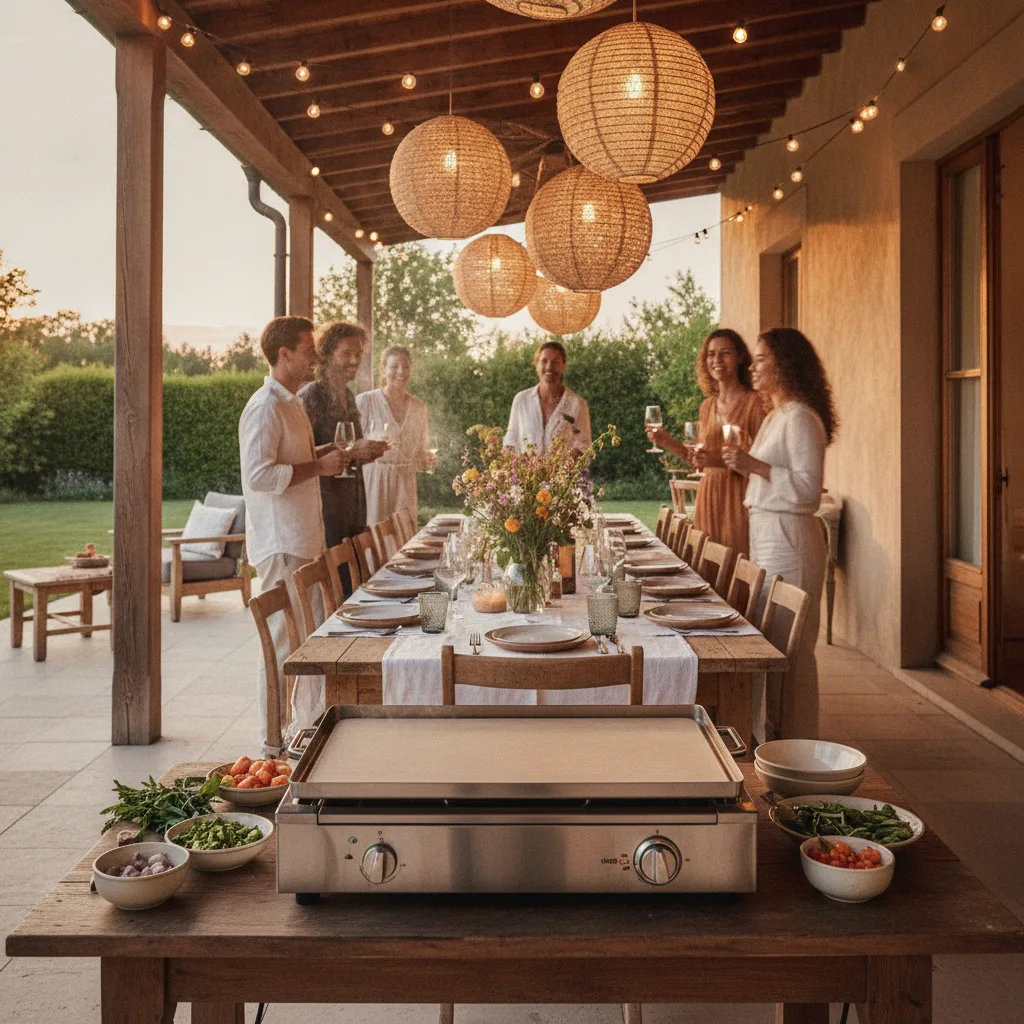
The conservatory has become one of the French's favourite rooms for extending meals with family or friends, whatever the season. Naturally, the idea of installing a plancha there to cook sheltered from wind and rain appeals to more and more people.
But before plugging in the appliance or lighting the gas, you need to know the rules that apply to this particular space, which is neither truly indoors nor truly outdoors. Ventilation, safety distances, choice of model, electrical standards: here is everything you need to know to use a plancha in a conservatory with complete peace of mind.
Plancha in a conservatory: safety and regulations
Reading time: ~9 min
- The conservatory, a semi-enclosed space that changes everything
- Electric or gas plancha in a conservatory: which should you choose?
- Safety distances and ventilation: the rules to follow
- Applicable standards and regulations
- How can you limit smoke and odours when cooking in a conservatory?
- Cleaning and maintenance after use in a conservatory
- Checklist before using a plancha in a conservatory
- Using your plancha in a conservatory properly: key takeaways
- FAQ
The conservatory, a semi-enclosed space that changes everything
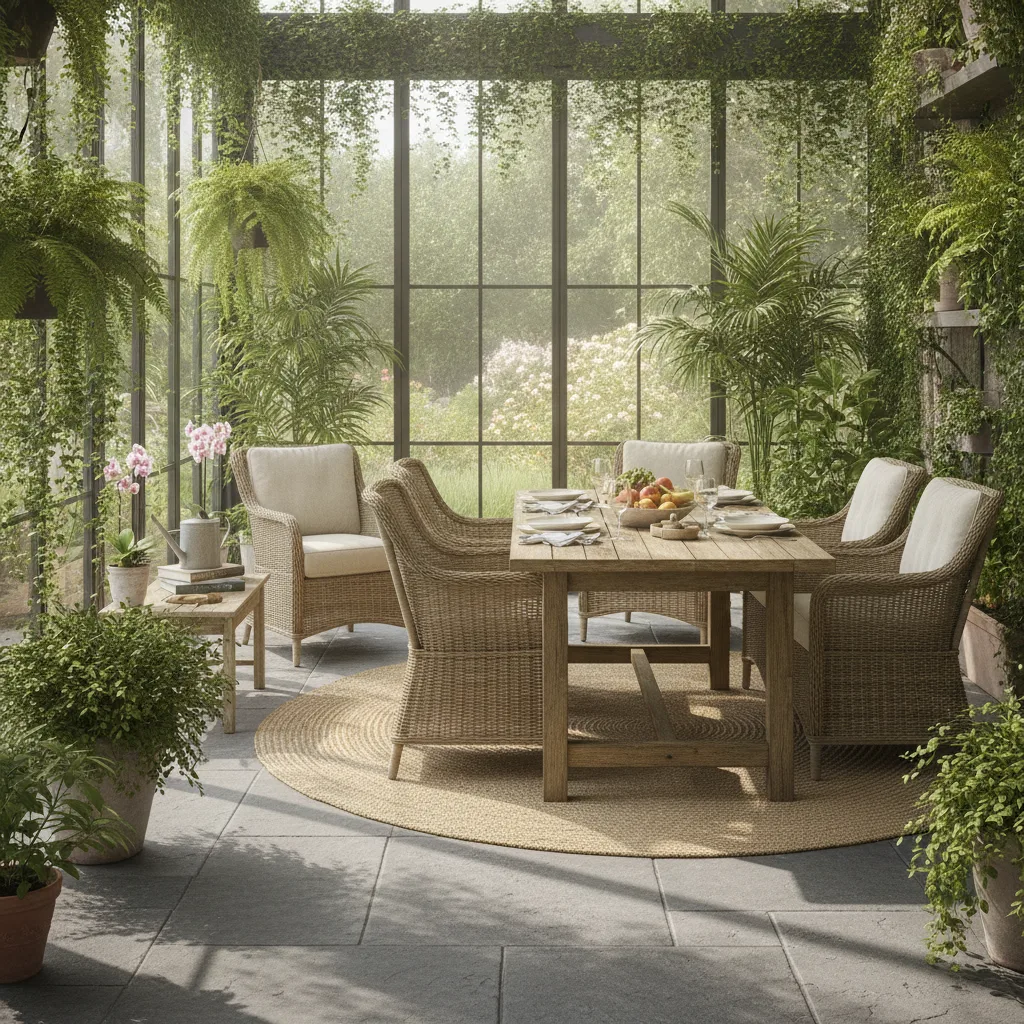
A conservatory is not an ordinary living space. It combines glass walls, often poorly or not at all soundproofed, a transparent roof and natural ventilation that varies depending on the openings available. In summer, the windows are open and the space is close to a covered terrace. In winter, everything is closed to retain heat, and the conservatory becomes an almost airtight space.
It is precisely this variability that means you have to think differently depending on the season and conditions of use. When the conservatory is closed, cooking smoke, steam and odours cannot escape freely. The heat given off by a plancha in operation can quickly raise the room temperature and reduce air quality. In this context, using a plancha in a closed conservatory without suitable precautions poses real health and safety risks.
Electric or gas plancha in a conservatory: which should you choose?
The risks of a gas plancha in a conservatory
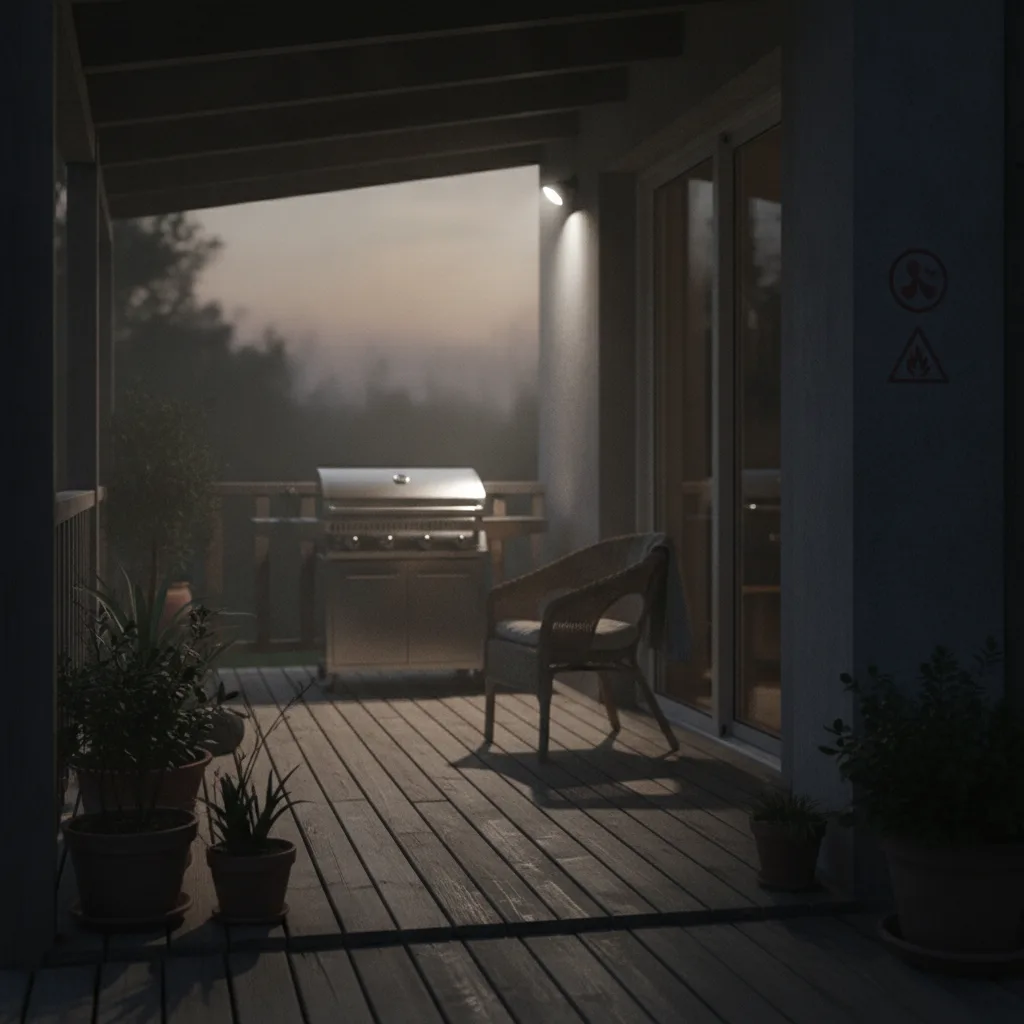
The type of energy is the first question to settle, and the answer is clear. A gas plancha in a closed conservatory is strongly discouraged, and even prohibited in some configurations. Burning gas produces carbon monoxide (CO), an odourless, colourless gas that can cause serious, even fatal, poisoning in a confined space. INRS points out that carbon monoxide is the leading cause of death by accidental poisoning in France. Even in a partly open conservatory, the risk remains if ventilation is insufficient.
The advantages of an electric plancha in a conservatory
The electric plancha is therefore the logical, recommended choice for use in a conservatory. It involves no combustion, emits no CO and produces less smoke than gas appliances, provided a few cooking rules are followed. The built-in electric heating element heats the stainless steel plate evenly, allowing precise control of the searing temperature and limiting grease splashes. At Planchaelec, all our planchas have food-grade stainless steel plates, a material particularly suited to this use because it withstands heat, does not rust and is easy to degrease while hot.
| Criterion | Electric plancha | Gas plancha |
|---|---|---|
| Carbon monoxide risk | None | High in an enclosed space |
| Smoke produced | Low to moderate | Moderate to high |
| Temperature control | Precise (thermostat) | Varies with the burner |
| Installation required | Dedicated electrical socket | Gas bottle or mains gas |
| Suitable for a closed conservatory | Yes, under conditions | Not recommended |
| Plate maintenance | Easy (stainless steel) | Varies with the material |
To find out more on this subject, see our complete guide to the differences between electric and gas planchas.
Safety distances and ventilation: the rules to follow
Respecting safety distances around the plancha
Whether you use a plancha in a conservatory or any other semi-open space, safety distances are non-negotiable. It is recommended to leave a clearance of at least 50 centimetres around the appliance to allow proper air circulation. The distance between the plancha and any combustible material (curtains, fabric blinds, wooden structures, rattan furniture) should be increased to 1 metre minimum, or even 1.5 metres depending on the power of the appliance. The flat, stable surface the plancha stands on must be non-flammable and heat-resistant.
Ensuring sufficient ventilation in a closed conservatory
Ventilation is the critical point when using a plancha in a closed conservatory. You must open the windows and, if possible, the door to the outside before you start cooking. Ventilation must be maintained throughout cooking and for at least 15 minutes after switching off the appliance to allow smoke and steam to clear completely. If the conservatory has mechanical ventilation or an air vent, it must be open and working.
Important: if you experience headaches, nausea or dizziness while using a cooking appliance in an enclosed space, leave immediately and ventilate. These symptoms may indicate a build-up of carbon monoxide or poor air quality. Call the fire service on 18 (or 112) if necessary.
Applicable standards and regulations
Electrical standards for a plancha in a conservatory
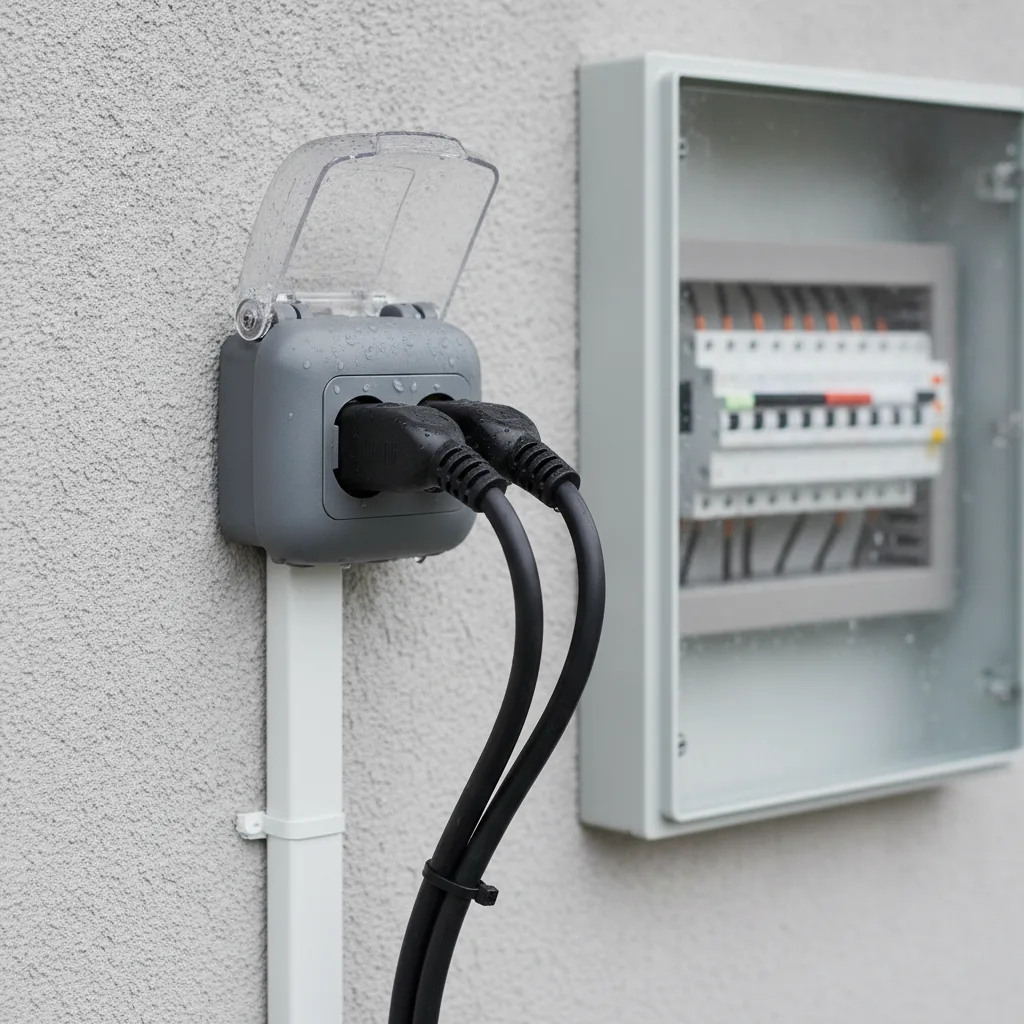
Installing an electric plancha in a conservatory is not governed by a single text, but by several standards and rules that add up. The NF C 15-100 standard governs electrical installations in residential premises in France, including conservatories. In particular, it requires a dedicated electrical socket protected by a residual current device of 30 mA, and a protected electrical circuit suited to the power of the appliance. A high-power electric plancha must never be plugged into a multi-socket adaptor or an unsuitable extension cord.
Building and co-ownership rules to be aware of
The building rules applicable to conservatories set out requirements for weatherproofing and ventilation in particular. If you live in a co-owned building, the co-ownership rules may also restrict the use of cooking appliances in private areas overlooking common areas. The French Construction and Housing Code contains general fire safety provisions that apply to all living spaces. If in doubt, it is advisable to consult your managing agent or the town hall before installing a cooking appliance in your conservatory.
Good to know: if your conservatory was built with planning permission or a prior declaration of works, the plans filed with the town hall may specify the authorised uses and ventilation requirements. Check these documents before installing a cooking appliance there.
How can you limit smoke and odours when cooking in a conservatory?
The amount of smoke produced when cooking on a plancha largely depends on the technique used. Several practices can significantly reduce emissions when using it in a semi-enclosed space.
Here are the good practices to adopt to limit smoke and odours when cooking in a conservatory:
- Preheat the plate to the right temperature before adding food, to stop it sticking and burning on a cold plate.
- Lightly oil the food rather than the plate itself, preferably using a small amount of olive oil to limit grease splashes.
- Do not overload the cooking surface, which prevents steam building up and ensures even cooking.
- Use a cooking lid to speed up the cooking of some thick foods and limit splashes.
- Regularly empty the grease that collects in the grease collector during cooking.
Planchaelec stainless steel electric planchas are designed to make these practices easier. The stainless steel plate heats evenly, which reduces the hot spots responsible for most smoke. You can also read our tips onusing a plancha indoors without smoke to explore these techniques further.
Cleaning and maintenance after use in a conservatory
Cleaning the plancha after each use is even more important when the appliance is installed in an enclosed space. Charred cooking residue can give off lingering odours and affect air quality the next time you use it. It is recommended to clean while the plate is still warm, pouring on a little water to deglaze the plate, then scraping off the residue with a suitable scraper.
For a thorough clean, a specific degreasing cleaner for stainless steel planchas can be used once the plate has cooled. Suitable scouring pads remove stubborn deposits without scratching the stainless steel surface. Planchaelec offers a full range ofcleaning accessories, including scouring pads, a pad holder, a degreasing cleaner and a scraper. Regular maintenance significantly extends the life of the plate and ensures healthy cooking every time. To find out more, see our detailed guide to cleaning a stainless steel plancha.
Checklist before using a plancha in a conservatory
Before each cooking session, it is worth quickly checking the essentials to ensure safe use. Here are the points to check systematically:
- Open the windows and door to ensure sufficient natural ventilation.
- Check the distance between the plancha and any combustible material (minimum 1 metre).
- Check that the plancha is stable on its stand or trolley.
- Check that the electrical socket is dedicated and protected by a residual current device.
- Keep a means of rapid intervention (damp cloth, fire extinguisher) close at hand.
Using your plancha in a conservatory properly: key takeaways
Using a plancha in a conservatory is perfectly possible, provided you follow simple but non-negotiable rules. The electric plancha is the best-suited solution for this semi-enclosed space, as it eliminates the risk of carbon monoxide and offers precise temperature control. Ventilation, safety distances and electrical compliance are the three pillars of a successful set-up.
With the right equipment and good practices, the conservatory becomes an ideal convivial space for plancha cooking all year round. At Planchaelec, we design stainless steel electric planchas made in France, designed to suit every living space, from the terrace to the conservatory.
FAQ
Can you use a gas plancha in a conservatory in France?
Using a gas plancha in a closed conservatory is strongly discouraged in France. Burning gas produces carbon monoxide, a toxic gas that can build up quickly in a confined space. Even when partly open, this space does not guarantee enough ventilation to remove the gas. The electric plancha is the only truly suitable option for a conservatory.
What power of electric plancha is suitable for a conservatory?
For a conservatory, an electric plancha with a power of between 2,000 and 3,500 watts is generally enough for 2 to 6 people. It is important to check that the conservatory's electrical circuit is sized to handle this power, in accordance with the NF C 15-100 standard, and to plug the appliance into a dedicated socket protected by a residual current device. See our guide to electric plancha power ratings to choose the right model.
Do you need a smoke extractor to use a plancha in a conservatory?
A smoke extractor is not mandatory, but it can be useful if the conservatory is poorly ventilated or if you often cook fatty foods. In most cases, opening the windows and door is enough to ensure proper natural ventilation, provided you keep it up throughout cooking and after switching off the appliance.
Is a plancha in a conservatory subject to co-ownership rules?
Yes, in some co-owned buildings the rules may prohibit or restrict the use of cooking appliances in glazed areas or areas overlooking common parts. It is advisable to check your co-ownership rules and, if necessary, obtain the managing agent's agreement before installing a plancha in your conservatory.
How can you stop cooking odours lingering in the conservatory?
To limit lingering odours, ventilate the conservatory during and after cooking, clean the plate while it is still warm to remove residue, and empty the grease collector regularly. A stainless steel plancha makes this cleaning easier, because the smooth surface does not retain odours as some other materials can. Find our detailed tips in the guide to cleaning a burnt stainless steel plancha.
Can an electric plancha be left permanently in a conservatory?
Yes, an electric plancha can stay permanently in a conservatory, provided you unplug it when not in use and protect it with a suitable cover to prevent condensation and dust. If the conservatory is exposed to large variations in temperature or humidity, regularly check the condition of the socket and power cord.