



 +33 4 78 55 45 69
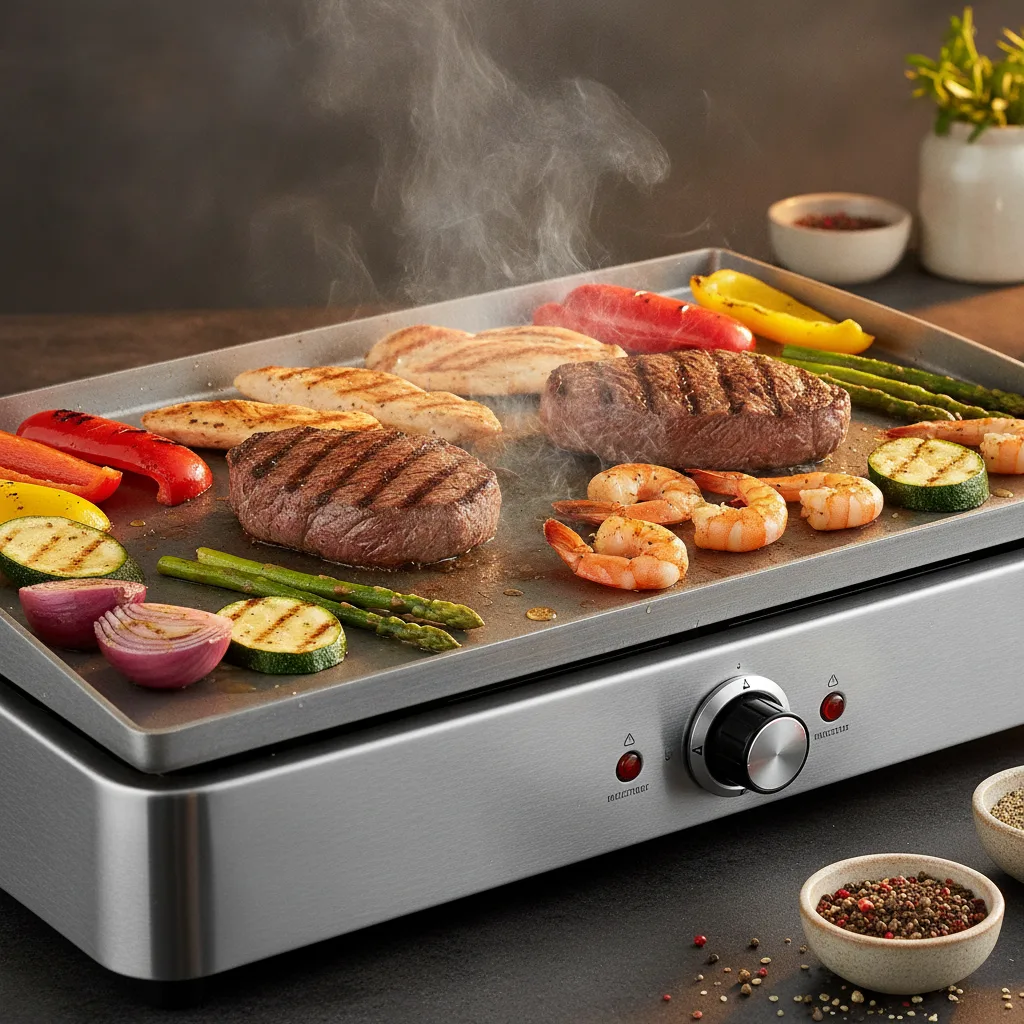
The stainless steel electric plancha is not just a practical, healthy cooking tool: it is a real invitation to explore flavour combinations you might not dare try in a frying pan or oven. The intense heat of the plate, the Maillard reaction that starts within seconds, the grilled and caramelised notes that develop on the food: all this creates a unique aromatic profile that is particularly suited to the bold combinations of food pairing.
By applying food pairing principles to the plancha, you can turn a convivial meal into a real taste experience. Here are five flavour pairings that are both surprising and coherent, to try this summer.
Plancha and food pairing: 5 flavour combinations to try
Reading time: ~9 min
- What is food pairing and why does it work so well on the plancha?
- Pairing 1: scallops and black pudding, the briny-smoky combination
- Pairing 2: grilled pear and Roquefort, the sweet-salty contrast
- Pairing 3: pineapple and Espelette pepper, the sweet-spicy duo
- Pairing 4: king prawns, mango and lime, the briny-fruity-tangy combination
- Pairing 5: lamb, honey and herbs, caramelisation in the service of flavour
- Summary table: 5 food pairing combinations on the plancha
- Tips for successful food pairing on the plancha
- Taking the food pairing experience further on the plancha
- FAQ
What is food pairing and why does it work so well on the plancha?
The principle of food pairing on a stainless steel electric plancha
The food pairing method combines ingredients based on the aromatic compounds two ingredients share. The central idea is simple: two foods that share similar aroma molecules are very likely to go well together on the plate. This approach, popularised in creative gastronomy and explained by specialist cooking sources such as Marmiton, lets you go beyond classic combinations to offer pairings that are both surprising and coherent in terms of taste.
The plancha is particularly well suited to this approach. When a stainless steel surface is preheated to a high temperature, the Maillard reaction starts quickly: the proteins and sugars in food are transformed into complex aromatic compounds, creating grilled, slightly smoky and caramelised notes. These aromas form a common base with a wide variety of ingredients, whether fruit, mature cheeses, spices or herbs. This is exactly what food pairing on the plancha exploits: the aromatic richness of short, high-heat cooking as a starting point for building original flavour combinations.
Good to know: the Maillard reaction starts at around 140 °C. On a well-preheated stainless steel electric plancha, this temperature is reached quickly, ensuring effective searing and the development of rich aromatic compounds from the very first seconds of cooking.
Pairing 1: scallops and black pudding, the briny-smoky combination
Why the scallop and black pudding pairing works on the plancha
This pairing may seem bold at first glance, but it is based on solid aromatic logic. When cooked on a hot plate, scallops develop briny, slightly sweet notes thanks to the caramelisation of their natural sugars. Black pudding brings smoky, iron-rich, melting notes that contrast with the firm, pearly texture of the shellfish.
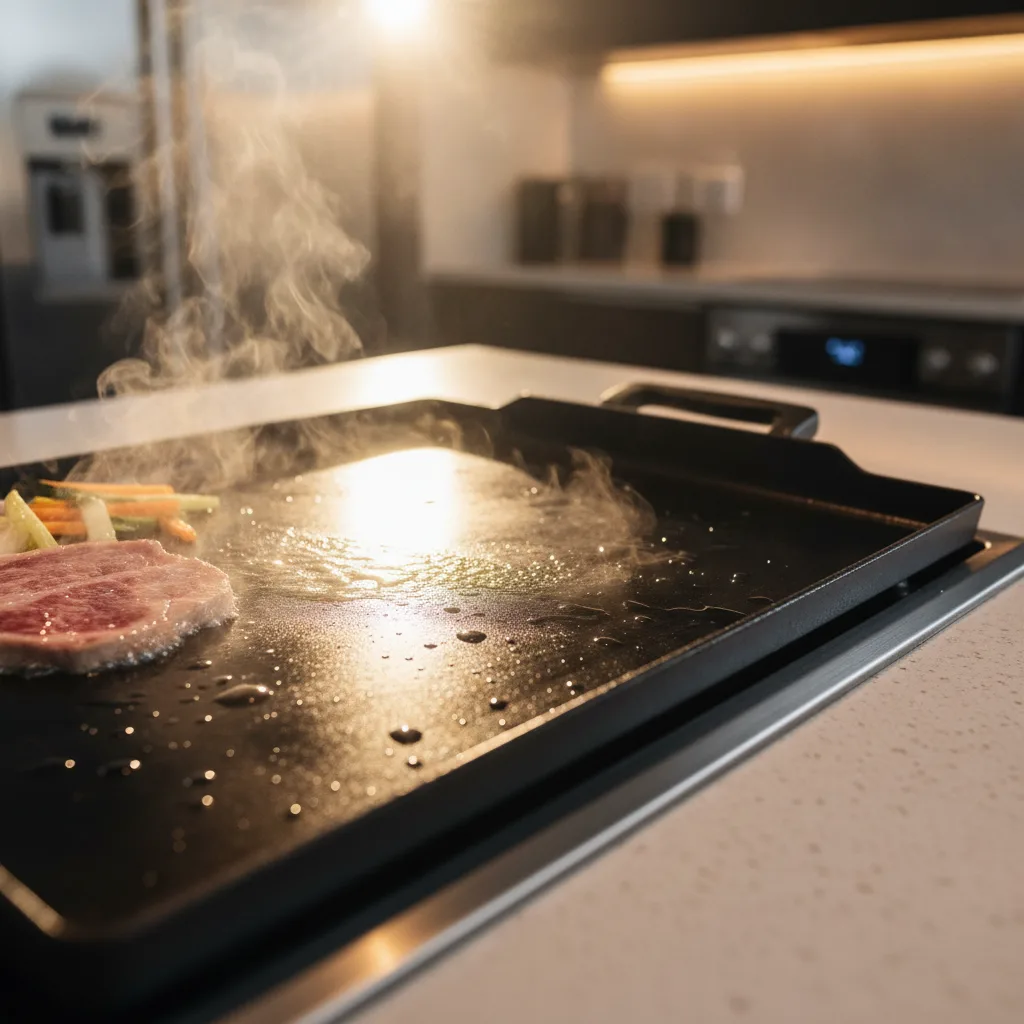
On the plancha, the key is to sear the scallops over high heat for one to two minutes on each side, without moving them, to get a golden crust and a still-pearly centre. The black pudding is cut into thick slices and placed alongside, on a slightly cooler area. You can add a touch of warm Reinette apple purée and a few green apple pickles for acidity and crunch. The balance between acidity and fat is essential for the pairing to work fully.
For wine, a dry, mineral, briny white from the Loire, or a light red with moderate tannins such as a Négrette from South-West France, will accompany this pairing without overpowering it.
Pairing 2: grilled pear and Roquefort, the sweet-salty contrast
The appeal of grilled pear and Roquefort
Plancha-grilled pear is one of the revelations of hot-plate cooking. In a few minutes, the heat concentrates the fruit's natural sugars and develops caramelised notes on the surface while keeping the flesh soft inside. Roquefort, placed on the still-hot pear at the end of cooking, starts to melt slightly and releases its lactic, salty and slightly sharp aromas.
This hot-cold, sweet-salty contrast is one of the great principles of food pairing: the caramelisation of the pear shares aromatic compounds with the buttery, milky notes of the blue cheese. You can complete the plate with a few toasted walnuts and a drizzle of honey to enhance the sweetness, or with a rocket leaf for a herbaceous, slightly bitter note that balances everything. This kind of convivial plancha recipe works very well as a starter or a vegetarian main at a plancha party.
Pairing 3: pineapple and Espelette pepper, the sweet-spicy duo
Pineapple on the plancha is a classic that deserves to be rediscovered through the lens of food pairing. Seared at high temperature on the stainless steel plate, the tropical fruit develops a caramelised crust that intensifies its natural sweetness while revealing slightly tangy notes. Espelette pepper, sprinkled just before or after cooking, adds a gentle, fruity heat that resonates with the tropical aromas of the pineapple.
This plancha flavour pairing works as well as a side for grilled white meat, such as lemongrass-marinated chicken, as it does as a dessert served with a scoop of coconut ice cream or plain Greek yoghurt. Seasoning after cooking is recommended here to keep the pepper fresh and stop it burning on the plate. A homemade mango chutney alongside enhances the tropical dimension of the pairing even further.
Key takeaway: for grilled fruit and seafood, it is better to season after cooking rather than before. This preserves delicate aromas and stops spices or herbs burning on the hot plate.
Pairing 4: king prawns, mango and lime, the briny-fruity-tangy combination
This pairing perfectly illustrates the balance between acidity and fat that food pairing seeks to achieve. King prawns, seared quickly on a very hot plancha, develop grilled, slightly sweet notes on the surface. Mango, cut into slices and placed on the plate for a few seconds, brings fruity sweetness and light caramelisation. Lime, squeezed at the last moment, cuts through the richness of the shellfish and lifts the whole aromatic profile.
This original pairing draws directly on Asian and Caribbean cuisine, where the briny-fruity-tangy combination is a constant. You can complete it with a few fresh coriander leaves, some toasted sesame seeds and a lightly spiced coconut milk sauce. For wine, an aromatic white with exotic notes, such as a Rhône Viognier or an Alsace Gewurztraminer, naturally extends the fruity and floral aromas of the dish.
Pairing 5: lamb, honey and herbs, caramelisation in the service of flavour
Lamb on the plancha benefits from short, intense cooking that keeps it juicy while developing a nice golden crust. When you add a drizzle of honey at the end of cooking, it caramelises instantly on the hot plate and coats the meat in a slightly sweet, amber glaze. Herbs — thyme, rosemary or oregano — placed on the meat off the heat release their aromatic compounds in contact with the residual heat without burning.
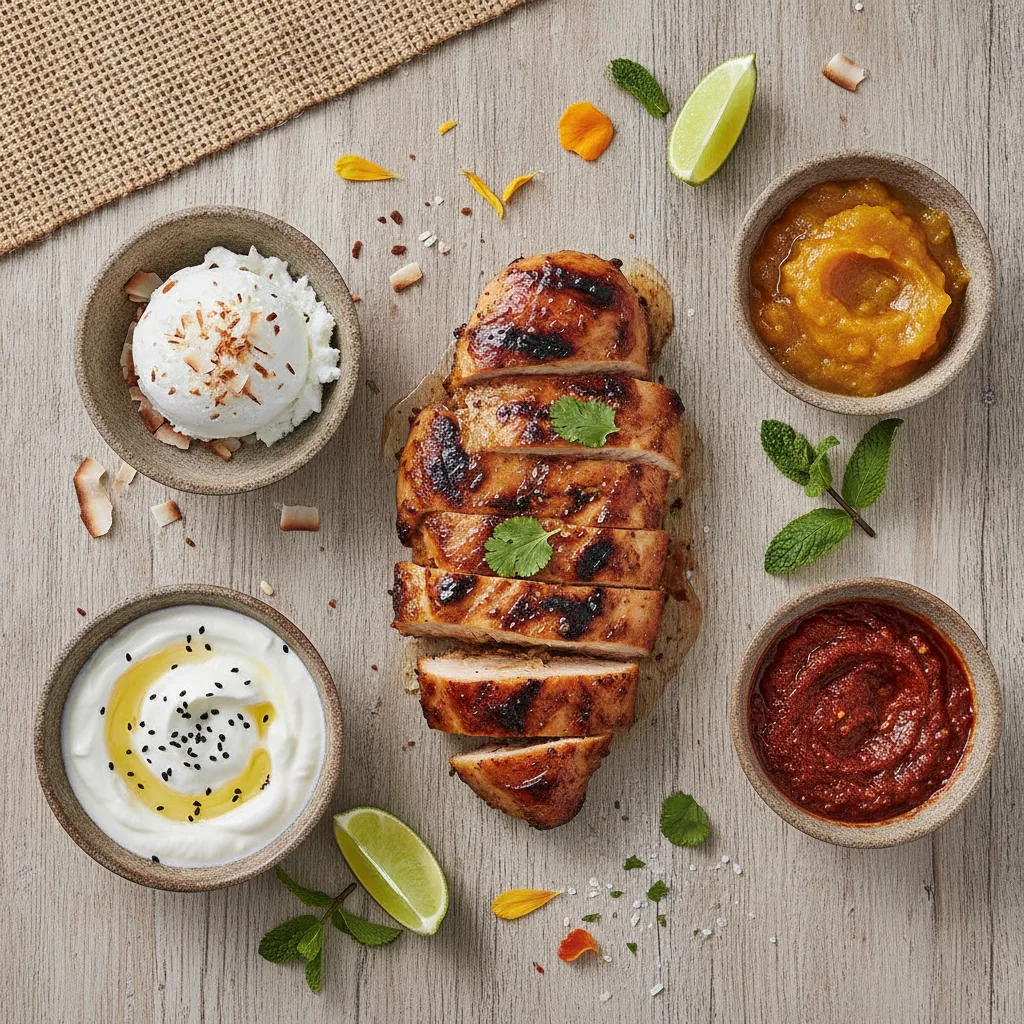
This plancha flavour pairing plays on the complementarity between the gamey, slightly iron-rich notes of the lamb, the sweetness of the honey and the herbaceous, slightly camphor-like character of Mediterranean herbs. For wine pairing, reds from South-West France are the natural choice: a Malbec from Cahors, a Fer Servadou from Marcillac or a Duras from Gaillac will bring moderate tannins, black fruit notes and a hint of spice that work perfectly with the caramelised honey and the power of the lamb. A Northern Rhône Syrah is also an excellent pairing for plancha-grilled meats with caramelised notes. Excessive alcohol consumption is harmful to health: please drink responsibly.
Summary table: 5 food pairing combinations on the plancha
| Pairing | Pairing principle | Balancing element | Suggested wine |
|---|---|---|---|
| Scallops and black pudding | Briny-smoky, contrast of textures | Apple pickles, tangy purée | Négrette, mineral Loire white |
| Grilled pear and Roquefort | Sweet-salty, hot-cold | Walnuts, rocket, honey | Sweet white, light Sauternes |
| Pineapple and Espelette pepper | Sweet-spicy, fruity-caramelised | Mango chutney, coconut ice cream | Fruity rosé, aromatic white |
| King prawns, mango and lime | Briny-fruity-tangy, acid-fat balance | Coriander, light coconut sauce | Viognier, Gewurztraminer |
| Lamb, honey and herbs | Caramelisation, grilled-herbal-sweet | Thyme, rosemary, oregano | Malbec, Fer Servadou, Syrah, Duras |
Tips for successful food pairing on the plancha
Guidelines for creating your own plancha pairings
For these plancha flavour pairings to reach their full potential, a few good practices are essential. Preheating the plate is the first condition: a stainless steel surface that is fully up to temperature ensures immediate searing, triggers the Maillard reaction and develops the grilled notes that form the basis of all these pairings. It is also advisable not to overload the plate and to group foods with similar cooking times to keep an even temperature across the whole surface.
Here are a few simple principles to bear in mind when building your own pairings:
- Plan at least three elements per plate: a grilled protein or fruit, a fresh or acidic element (yoghurt sauce, pickles, citrus) and a crunchy or melting texture for contrast.
- Season red meat before cooking and seafood or fruit after cooking, to preserve delicate aromas and stop spices burning on the plate.
Taking the food pairing experience further on the plancha
Choosing the right equipment for your food pairing experiments
Our stainless steel electric planchas are designed to maintain stable, even heat across the entire cooking surface, which is essential for mastering these pairings and getting consistent results. If you want to equip yourself or upgrade your equipment, our guide to choosing your plancha will help you identify the model best suited to your needs. Our plancha cooking tips will also help you get the most out of your plate for these delicious combinations. Finally, to organise your outdoor cooking area easily, discover our selection of plancha accessories designed to accompany every convivial meal.
In short: everyday food pairing on the plancha
Key ideas to remember
By combining the searing power of a stainless steel electric plancha with the principles of food pairing, you multiply the possibilities for original combinations while staying aromatically coherent. The pairings suggested — from scallops with black pudding to lamb with honey and herbs — show how to play on contrasting textures and on sweet-salty and acid-fat balances.
The key is to control the temperature of the plate, respect the cooking time of each food and include a balancing element on the plate (acidic, crunchy, herbaceous or milky). With these guidelines, you can freely adapt the ideas presented and invent your own plancha pairings as the seasons change.
FAQ
Is food pairing difficult for an amateur cook?
No, food pairing does not require in-depth scientific knowledge. You just need to remember a few main principles: grilled notes go with acidic, fruity, smoky and herbaceous flavours. Starting from these basics, you can build original pairings without any special training.
Can you make desserts on the plancha using food pairing?
Absolutely. Grilled fruits such as pineapple, peach or fig develop caramelised aromas that go very well with cold, creamy elements such as ice cream, fromage frais or Greek yoghurt. You can also play on sweet-salty with a mature cheese or a pinch of fleur de sel.
Should you oil the plate before cooking fruit or cheese?
For fruit, a light neutral oil is enough to prevent sticking without masking the aromas. For firm cheeses such as halloumi, a hot, lightly oiled plate gives a nice golden crust. Melting cheeses such as Roquefort are best placed on the hot food off the heat, so they melt gently without burning.
How many side dishes should you plan for a successful plancha party?
Specialist guides recommend planning between 200 and 250 grams of side dishes per person, ideally combining a grilled vegetable, a starchy food and a fresh element such as a salad or yoghurt sauce. Planning at least five different garnishes lets you vary textures and flavours throughout the meal.
Which stainless steel electric plancha should you choose for these food pairing combinations?
A plancha with a thick stainless steel plate that can maintain a stable, even temperature across the whole surface is ideal for these dishes. Consistent heat is essential to correctly sear foods with very different cooking times, such as scallops and black pudding cooked side by side.
How can you stop the aromas of different foods mixing on the plate?
Simply work in zones on the plate and clean it well between batches. Using a scraper between each batch removes residue and prevents unwanted transfer of aromas, particularly between sweet preparations and savoury proteins.