



 +33 4 78 55 45 69
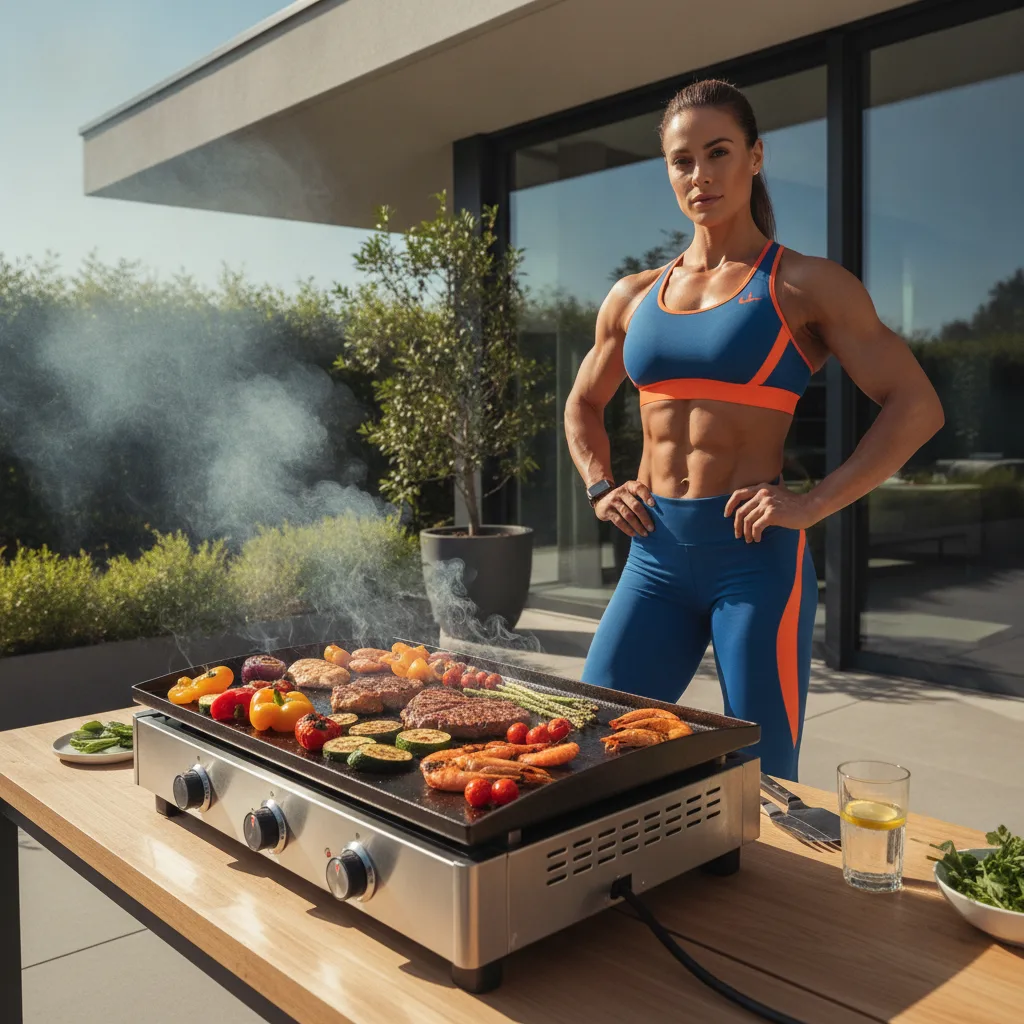
Eating a balanced diet when you train regularly is a priority, but finding quick, healthy and tasty ways to cook is not always easy. With this in mind, the plancha and cooking for athletes go particularly well together: the plancha sears food at high temperature in a few minutes, limits added fat and preserves the nutritional qualities of both proteins and vegetables.
Whether you are in a lean bulking phase, cutting or simply want to eat better every day, the plancha is a cooking tool particularly well suited to an active lifestyle. This article explains why, with practical tips and meal ideas to try this week.
Plancha cooking for athletes: 2027 nutrition guide
Reading time: ~9 min
- Why the plancha is recommended for athletes
- Which foods should you cook on the plancha for a balanced sports diet?
- Quick post-workout meals on the plancha: practical ideas
- How do you make a healthy, tasty marinade for the plancha?
- Batch cooking on the plancha: organising your training week
- Electric or gas plancha: which should you choose for healthy everyday cooking?
- Which plancha should you choose to cook fitness meals regularly?
- Making the plancha part of your daily life as an athlete
- FAQ
Why the plancha is recommended for athletes
Low-fat cooking
The plancha works on the principle of a smooth cooking plate heated to a very high temperature, generally between 250 and 300 °C. Food is placed directly on this hot surface, which sears it quickly and lightly caramelises the surface, without needing to immerse it in fat. This is precisely what interests active people: plancha cooking can be done with just a drizzle of olive oil, or even dry for some foods, which considerably reduces the calorie density of the meal without sacrificing flavour.
For an athlete monitoring their protein-carbohydrate-fat ratio, this control over fat is a real advantage. A chicken breast cooked on the plancha provides its lean protein intact, without frying fat or the hidden calories of a sauce. The French National Nutrition and Health Programme (PNNS) and the Manger Bouger platform also recommend favouring cooking methods that limit added fat, which the plancha naturally allows.
Preserving vitamins and micronutrients
Quick, high-temperature cooking has another nutritional advantage: it reduces the time food is exposed to heat, which helps to better preserve heat-sensitive vitamins and the texture of vegetables. Crisp, colourful vegetables retain more of their micronutrients than a long-simmered dish. For athletes, whose needs for antioxidants, vitamins and minerals are high, this is a strong argument.
Good to know
The stainless steel plate of Planchaelec planchas heats up quickly and cooks evenly across the whole surface, avoiding cold spots where food cooks poorly and loses its nutritional qualities.
Which foods should you cook on the plancha for a balanced sports diet?
The plancha takes a wide variety of foods, making it particularly well suited to the variety a balanced sports diet demands. Here are the main categories to include in your cooking sessions.
Lean animal proteins
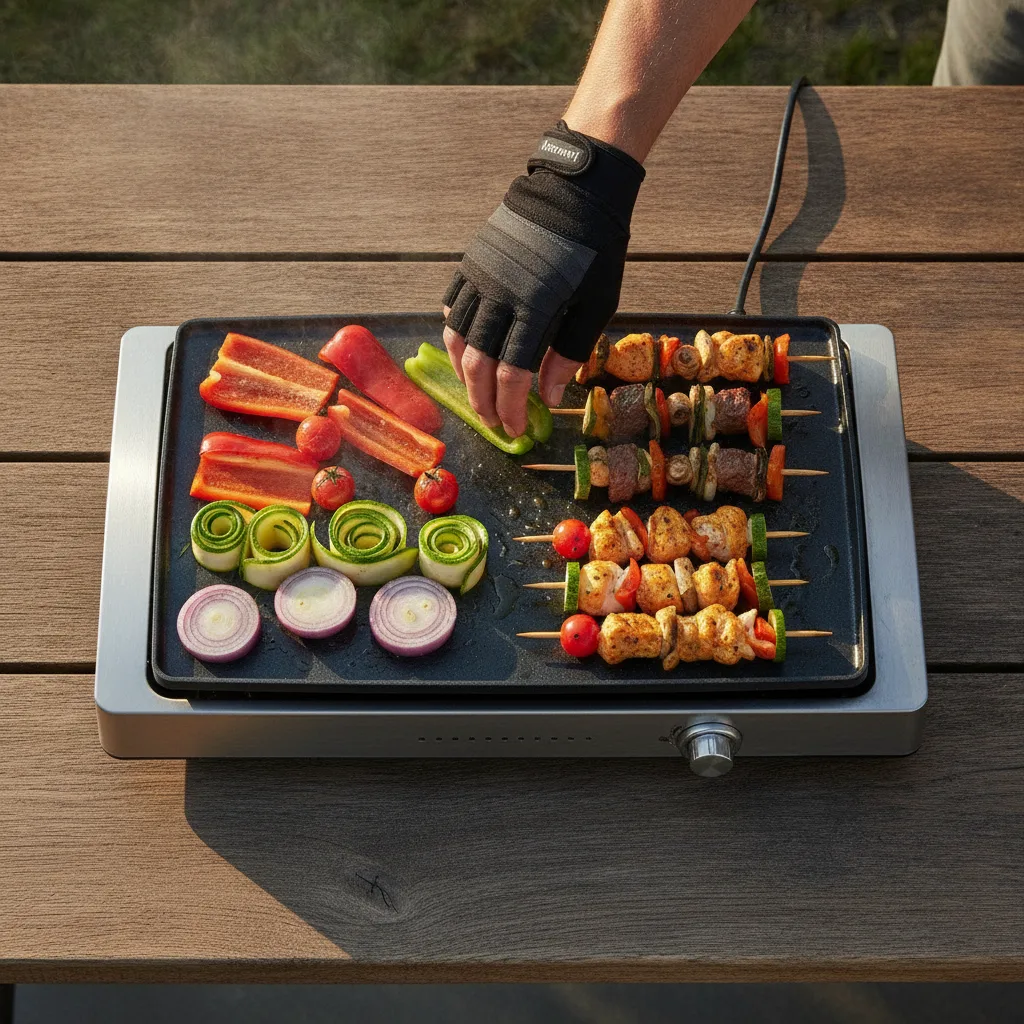
Lean animal proteins are the basis of performance-oriented meals. Chicken breast, turkey fillet, thinly sliced beef flank, salmon, cod and king prawns all sear very well on the plancha. A lean fish fillet cooked for two to three minutes per side, without added fat, offers an optimal protein intake with a very low calorie density.
Salmon, which is richer in fat, provides omega-3 fatty acids that are valuable for muscle recovery and reducing inflammation. A practical example: chicken breast skewers marinated with lemon, herbs and olive oil, cooked for 10 to 12 minutes on a very hot plancha, make a quick, nutritionally complete option.
Plant proteins
Plant proteins also deserve a place in your plancha routine. Firm tofu, cut into slices about one centimetre thick, caramelises nicely on the hot plate and is an excellent source of protein for vegetarian or flexitarian athletes. Combined with vegetables such as courgette, pepper or red onion, it makes a complete meal in under fifteen minutes.
Grilled vegetables
Plancha-grilled vegetables provide fibre, vitamins and antioxidants that are particularly valuable for active people. Asparagus, peppers, aubergines, cherry tomatoes, sliced courgettes: all cook quickly with a drizzle of olive oil and a few herbs. The light caramelisation on the surface develops flavours that make these vegetables far more appetising than simply steaming them.
Quick post-workout meals on the plancha: practical ideas
The post-workout metabolic window
After exercise, the metabolic window of thirty to sixty minutes after training is often cited as a key period for optimising muscle recovery. You then need to provide protein and carbohydrates quickly, without overloading your digestion. The plancha is ideal in this context: preheating takes about ten minutes, and cooking itself rarely takes more than fifteen minutes for most foods.
Examples of post-workout meals on the plancha
A few post-workout meal ideas you can make in under thirty minutes with a Planchaelec electric plancha:
- Chicken breasts marinated in lemon and herbs, served with brown rice and plancha-grilled asparagus.
- Salmon fillet seared for two to three minutes per side, served with oven-baked sweet potatoes and spinach quickly sautéed on the plate.
- Grilled firm tofu with peppers and courgettes, seasoned with reduced-salt soy sauce, ginger and sesame, served with soba noodles.
- King prawns seared on the plancha with garlic, parsley and a drizzle of olive oil, served with quinoa and green vegetables.
These meals combine lean proteins, complex carbohydrates and micronutrient-rich vegetables, which matches the general recommendations for supporting recovery after exercise.
Key takeaway
For an effective post-workout meal, aim for a plate with around 30 to 40 g of lean protein, a portion of complex carbohydrates and a large share of vegetables. The plancha lets you put these elements together in a single quick cooking session.
How do you make a healthy, tasty marinade for the plancha?
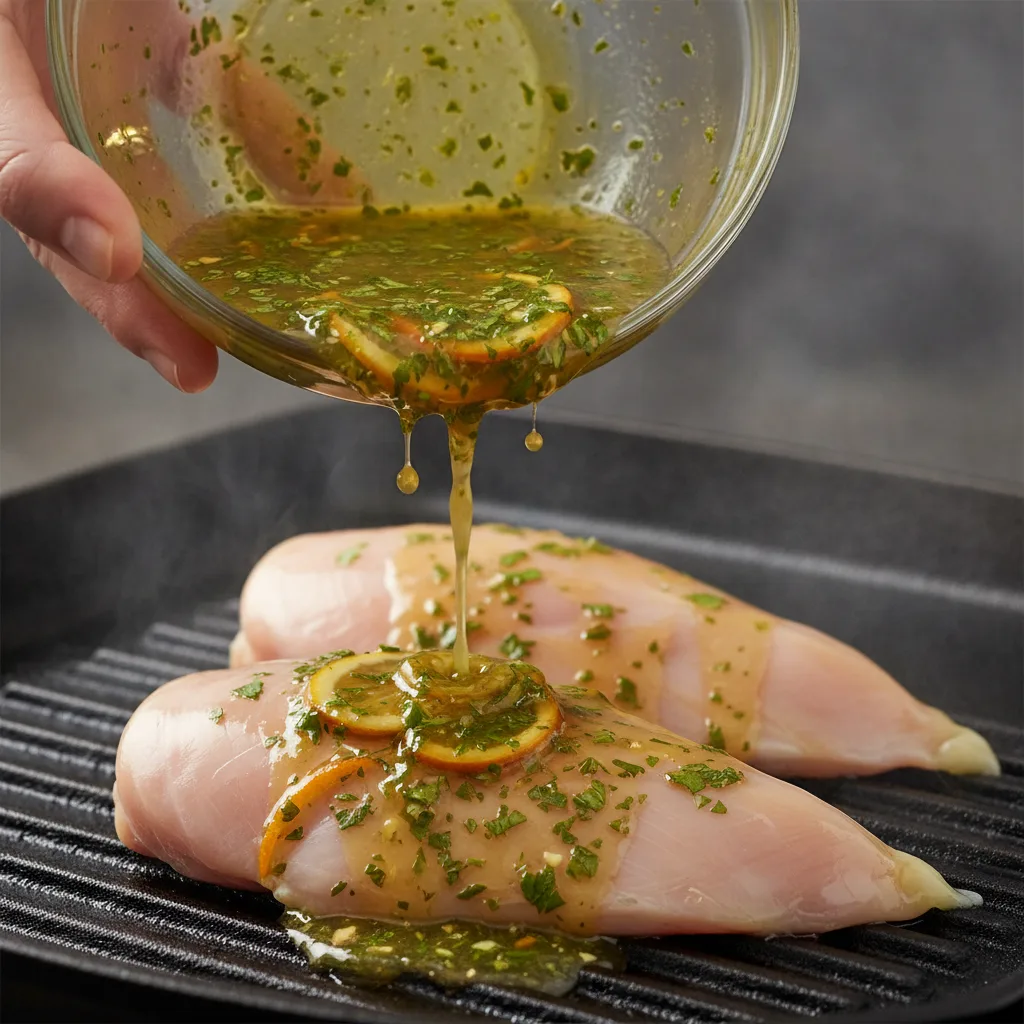
A marinade plays a dual role in sports cooking on the plancha: it adds flavour without making the dish heavy, and it protects food from drying out when cooked at high temperature. An effective marinade relies on three components: an acid (lemon, cider vinegar, yoghurt), a quality fat (extra virgin olive oil) and aromatics (garlic, fresh herbs, spices).
For a performance-oriented marinade, you can add turmeric and black pepper, whose anti-inflammatory properties are well documented, as well as fresh ginger. These ingredients provide antioxidants without adding significant calories.
The marinade should ideally rest for at least thirty minutes, or even several hours in the fridge, to soak into the muscle fibres of the meat or fish. A honey marinade can be used in moderation before training for a light carbohydrate boost, but you need to watch the caramelisation on the plate to stop the sugars burning.
Batch cooking on the plancha: organising your training week
Batch cooking means preparing several meals in a single session to save time during the week. The plancha, especially in its larger formats, is very well suited to this. A cooking plate of 600 mm or more lets you cook several portions of protein and vegetables at the same time, arranging foods in cooking zones according to their respective cooking times.
A typical plancha batch cooking session for an athlete might look like this: on one side of the plate, marinated chicken breasts cooking for ten to twelve minutes; on the other, sliced vegetables needing five to seven minutes. Alongside, a salmon fillet can be seared quickly at the end of the session. In forty-five minutes, you have protein and vegetables for three to four meals, to store in the fridge in airtight containers.
This organisation is particularly useful for athletes who train several times a week and do not always have time to cook after each session. You can discover the different models available on the Planchaelec planchas page. For regular, intensive use, also see the guide to choosing your plancha.
Electric or gas plancha: which should you choose for healthy everyday cooking?
The choice between an electric and a gas plancha often comes up. For regular indoor use focused on healthy cooking and batch cooking, the electric plancha has several practical advantages. It can be used in the kitchen as well as outdoors, without the constraint of a gas bottle. Its precise thermostat keeps the temperature stable, which is important for cooking proteins evenly. It produces no naked flame, which reduces the risk of undesirable combustion compounds forming.
The table below compares the two options on the criteria most relevant to an athlete who cooks regularly:
| Criterion | Electric plancha | Gas plancha |
|---|---|---|
| Indoor use | Yes, without constraints | Not recommended (ventilation required) |
| Temperature precision | High (adjustable thermostat) | Good but less precise |
| Heat-up | Fast (8 to 12 min) | Very fast (5 to 8 min) |
| Maintenance | Easy (stainless steel plate) | Easy (stainless steel or chrome plate) |
| Flame-free cooking | Yes | No |
| Ideal for batch cooking | Yes (large surface available) | Yes (large surface available) |
To find out more, Planchaelec offers a complete guide to the differences between electric and gas planchas.
Which plancha should you choose to cook fitness meals regularly?
For an athlete who cooks several times a week, the cooking surface is the first criterion to consider. Que Choisir's buying guide recommends allowing at least 250 cm² of surface per guest for comfortable cooking. If you batch cook meals for several days, choose a plate at least 600 mm wide, which will let you cook several portions at once without overloading the surface and compromising even cooking.
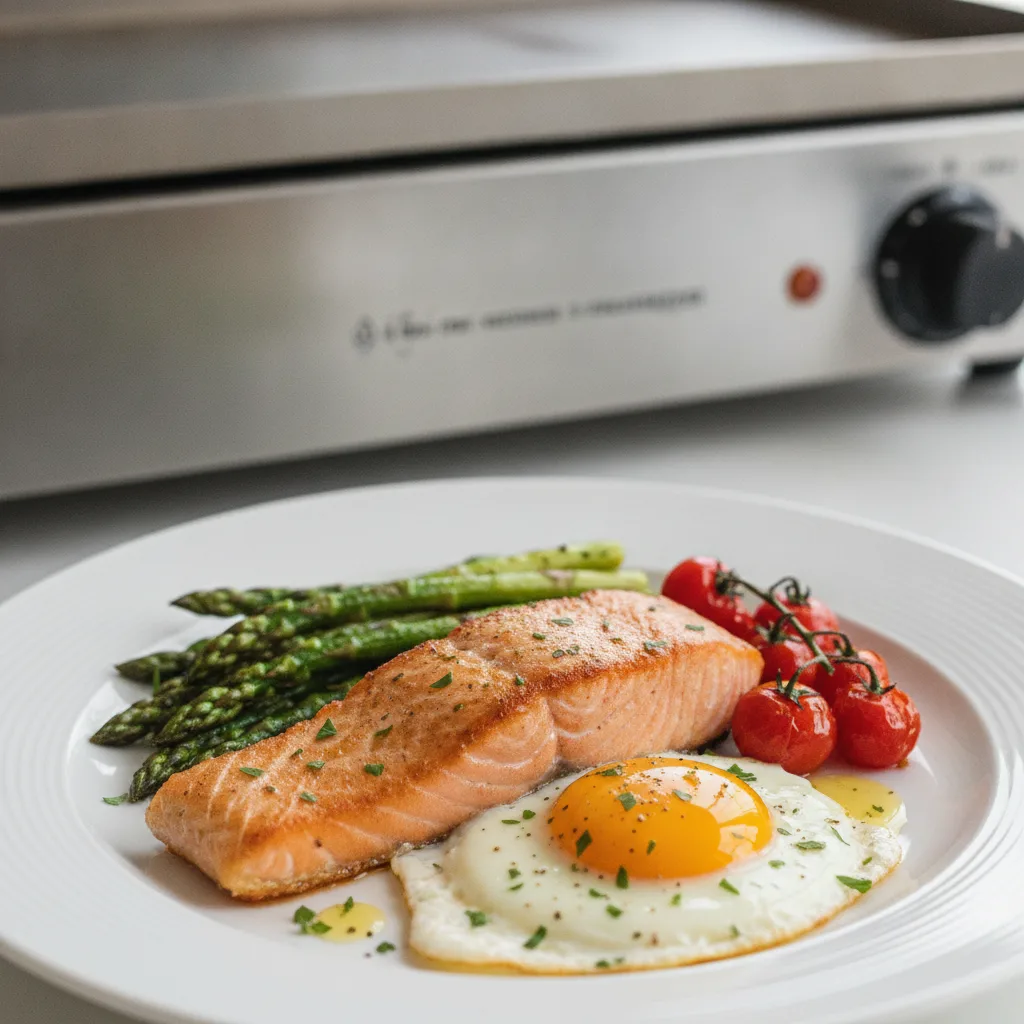
The plate material is also decisive. A stainless steel plate, like that of Planchaelec planchas, offers excellent heat distribution, great durability and easy maintenance. It does not react with the acidic foods (lemon, vinegar) found in sports marinades, which is an advantage for healthy everyday cooking. To find out more about the materials available, see the page on plancha materials.
Cleaning after each cooking session should also be quick and easy, as an athlete does not necessarily want to spend twenty minutes cleaning equipment after training. Planchaelec offers a full range of cleaning products suitable for stainless steel, as well as a detailed guide to cleaning a stainless steel plancha.
Making the plancha part of your daily life as an athlete
The plancha and sports cooking make a particularly coherent combination: quick cooking, control over fat, preservation of proteins and micronutrients, versatility in the foods it takes and easy batch cooking.
Whether you are in a lean bulking phase, cutting or simply committed to an active, balanced diet, adding a plancha to your everyday cooking is a practical and nutritionally sound decision. Planchaelec stainless steel electric planchas, made in France, meet the demands of regular, intensive use. You can explore the full range on the Planchaelec website.
FAQ
Does plancha cooking destroy the protein in food?
No, plancha cooking does not destroy protein. Heat changes its structure through denaturation, which is normal and necessary for digestion. Quick cooking at high temperature preserves texture and overall nutritional value better than long cooking at low temperature.
Can you cook eggs on the plancha for an athlete's breakfast?
Yes, eggs cook very well on a lightly oiled plancha plate. Fried eggs, scrambled eggs or omelettes can be prepared quickly for a protein-rich breakfast before a morning training session.
Which oil should you use on the plancha for healthy cooking?
Olive oil is valued for its monounsaturated fatty acids, but its smoke point (around 180 to 210 °C) is lower than plancha searing temperatures: use it as a drizzle at moderate temperatures and choose an oil with a high smoke point (rapeseed, high-oleic sunflower, grapeseed) for intense searing. A simple drizzle is enough to stop food sticking.
Does an electric plancha use a lot of electricity day to day?
Consumption depends on the power of the model and how long it is used. A 2,000 W electric plancha used for thirty minutes consumes about 1 kWh. For weekly batch cooking sessions, the impact on your bill remains modest compared with the nutritional and time-saving benefits. Planchaelec offers a consumption calculation guide to help you estimate your use.
Is the plancha suitable for a high-protein diet?
Absolutely. The plancha lets you cook a wide variety of protein sources quickly and without excess fat: poultry, fish, lean meat, seafood, tofu. It fits easily into a high-protein diet because it does not need rich sauces or breadcrumbs to be tasty, thanks in particular to herb and spice marinades.