



 +33 4 78 55 45 69
Introduction
From carrot peelings turned into crispy crisps to fridge leftovers transformed into a quick stir-fry, the plancha proves an unexpected ally in reducing food waste. Combining the plancha with zero waste means adopting a convivial way of cooking that makes the most of every ingredient, cuts down on packaging and extends the life of your equipment. Today, this approach is part of a strong social trend, driven by consumers keen to eat better while respecting the planet. Here's how to turn your plancha meals into real anti-waste moments, from choosing your appliance right through to cleaning.
Zero-waste plancha: anti-waste tips and recipes
Reading time: ~7 min
- Why the plancha fits naturally into an anti-waste approach
- Turning peelings into crispy crisps on the plancha
- Plancha and zero waste every day with leftover recipes
- Choosing a durable plancha to reduce waste in the long term
- Utensils and organising a waste-free meal
- Cleaning your stainless steel plancha the eco-friendly way
- FAQ
- The plancha, a tasty and responsible choice
Why the plancha fits naturally into an anti-waste approach
Plancha cooking suited to zero waste
The plancha, and especially the stainless steel electric plancha, has features that make it a cooking tool particularly well suited to reducing waste. Unlike a charcoal barbecue, it produces no ash or combustion residue to deal with. Its smooth stainless steel surface lets you cook with very little fat, which reduces spatter and wasted oil. Fast heating and precise heat control prevent food from burning, and therefore from being thrown away.
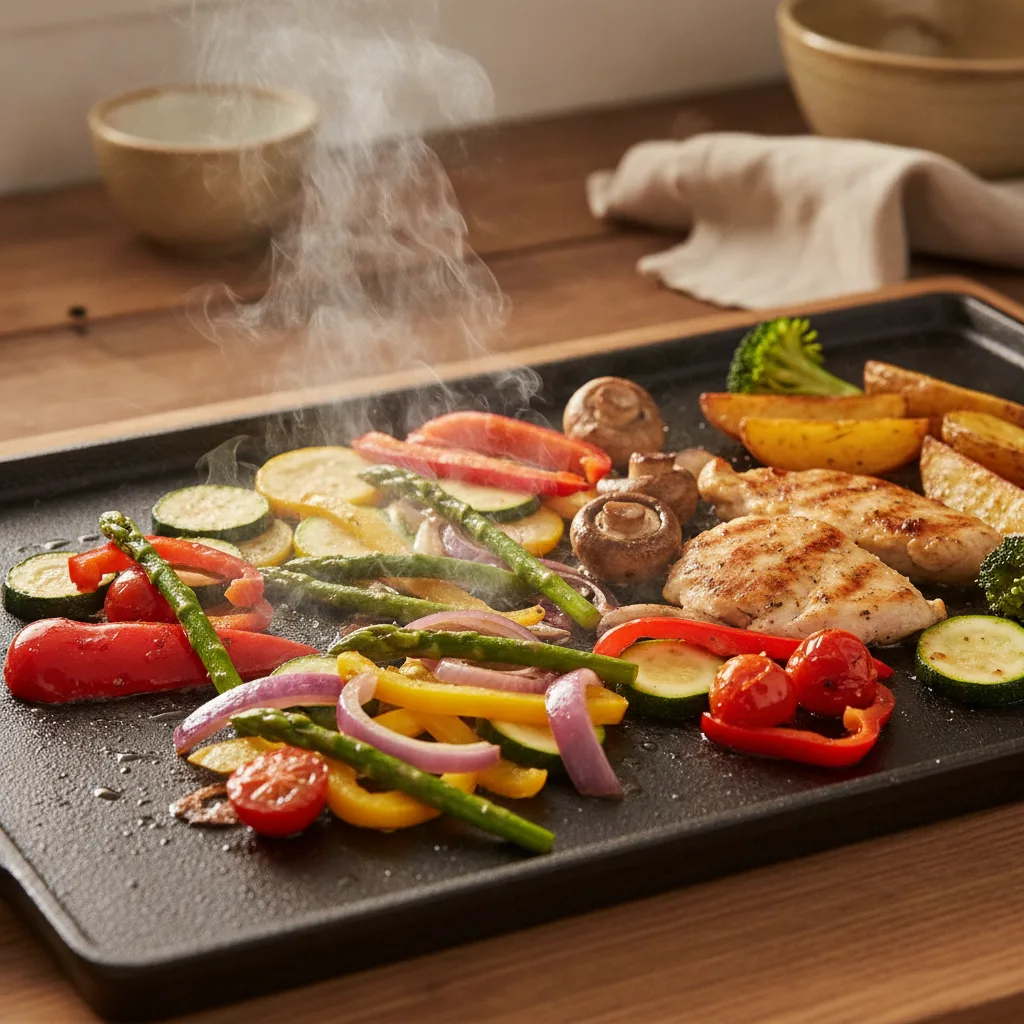
Another often underestimated advantage is the plancha's versatility. You can cook whole vegetables on it, but also their peelings, tops and cores. Nothing goes to waste when you have such a responsive cooking surface. This logic of using ingredients in full fits perfectly with the principles of zero-waste cooking, which aim to limit overconsumption and make the most of every product you buy.
Turning peelings into crispy crisps on the plancha
Peeling crisp ideas for the plancha
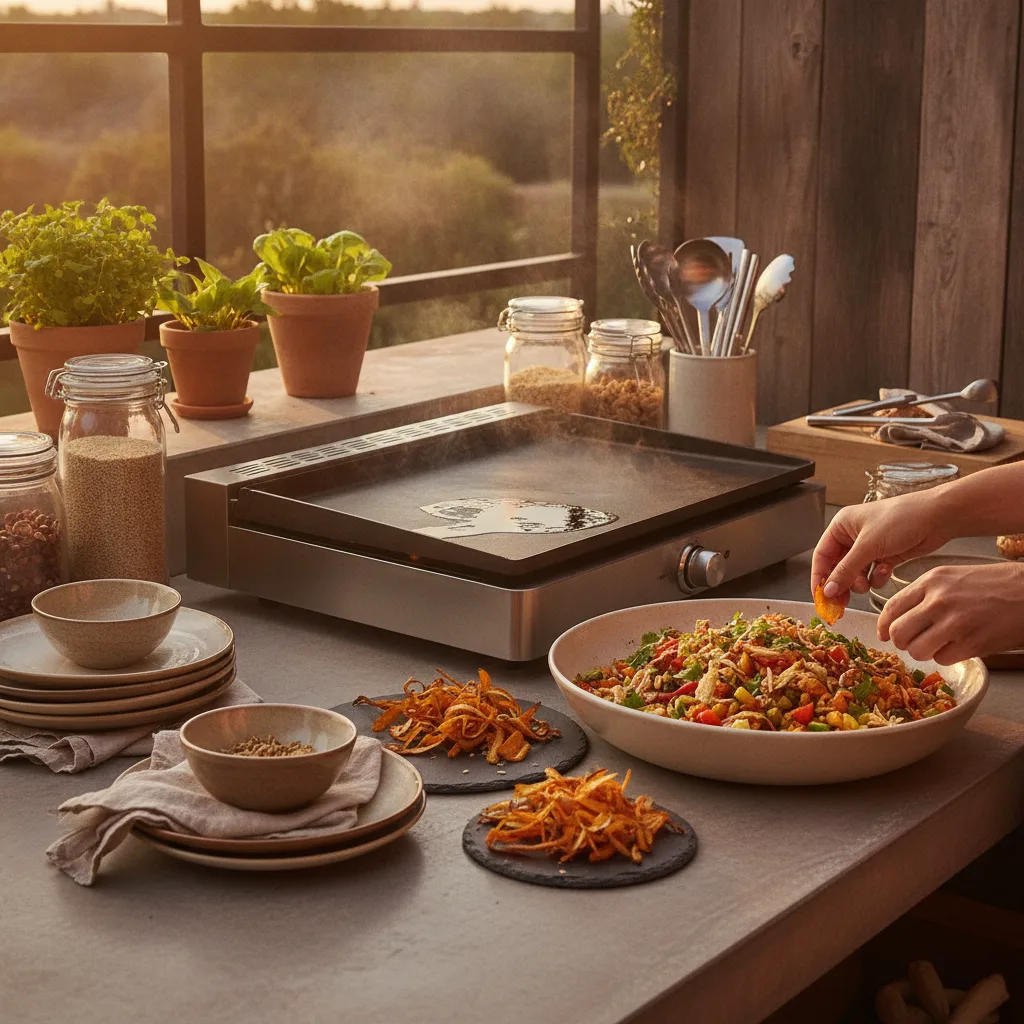
One of the simplest and most impressive anti-waste recipes is to grill your peelings directly on the plate. Carrot, courgette, sweet potato or beetroot peelings work remarkably well. Simply wash them thoroughly, dry them, then brush them with a drizzle of olive oil and a pinch of salt before placing them on the plancha preheated to a medium temperature (around 200 °C).
In a few minutes, the peelings become golden and crispy. You get homemade crisps with no packaging, no deep-frying and no waste. For different flavours, add smoked paprika, cumin or grated parmesan at the end of cooking. Radish or carrot tops, lightly oiled, also turn into a crunchy garnish once cooked on the plancha. These simple steps significantly reduce the volume of food waste while surprising your guests.
Plancha and zero waste every day with leftover recipes
The quick stir-fry with fridge leftovers
The plancha excels at quickly cooking small quantities, which makes it the perfect tool for cooking leftovers. Some leftover rice from the day before, a few slightly tired vegetables, leftover chicken or fish: spread it all on the hot plate with a dash of soy sauce and a little fresh ginger. In five minutes you have a tasty quick stir-fry that would otherwise have ended up in the bin.
Anti-waste toasts and bruschetta
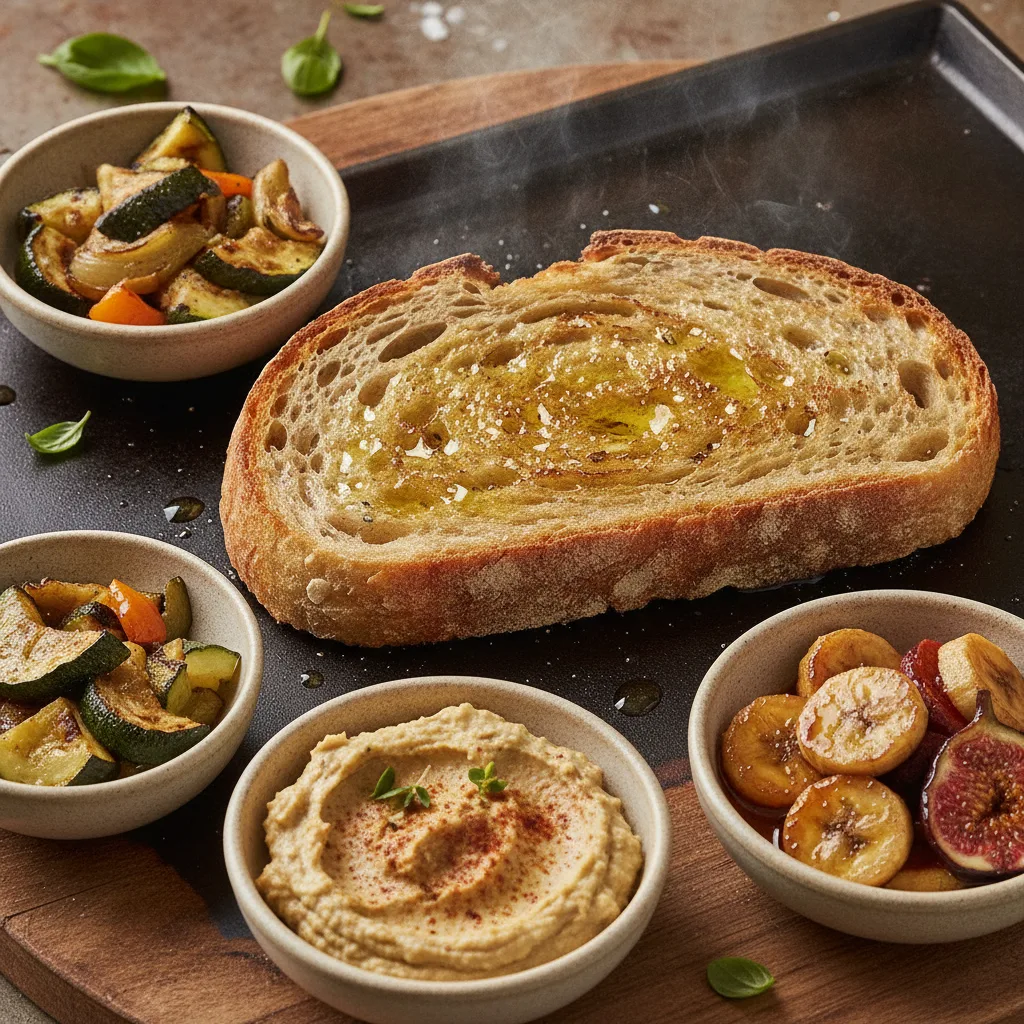
Stale bread? Slice it thinly, brush with olive oil and toast it on the plancha. Then top it with leftover cheese, yesterday's grilled vegetables or homemade houmous. The heat of the plate brings the bread back to life and creates a crispy base that shows off ingredients you might otherwise have overlooked.
Overripe fruit on the plancha
Slightly blackened bananas, overly soft peaches or slices of pineapple forgotten in the fruit bowl get a second life on the plancha. The natural caramelisation of the sugars on the plate turns these fruits into delicious desserts. Serve them with a scoop of ice cream or a drizzle of honey for an anti-waste finale that impresses every time.
Choosing a durable plancha to reduce waste in the long term
The zero-waste approach starts when you buy your appliance. Choosing a quality stainless steel plancha means investing in equipment designed to last for years without premature replacement. Specialist buying guides recommend checking the sturdiness of the frame, the quality of the plate, how easy it is to clean and whether spare parts are available. An appliance that can be repaired is one that doesn't end up at the tip.
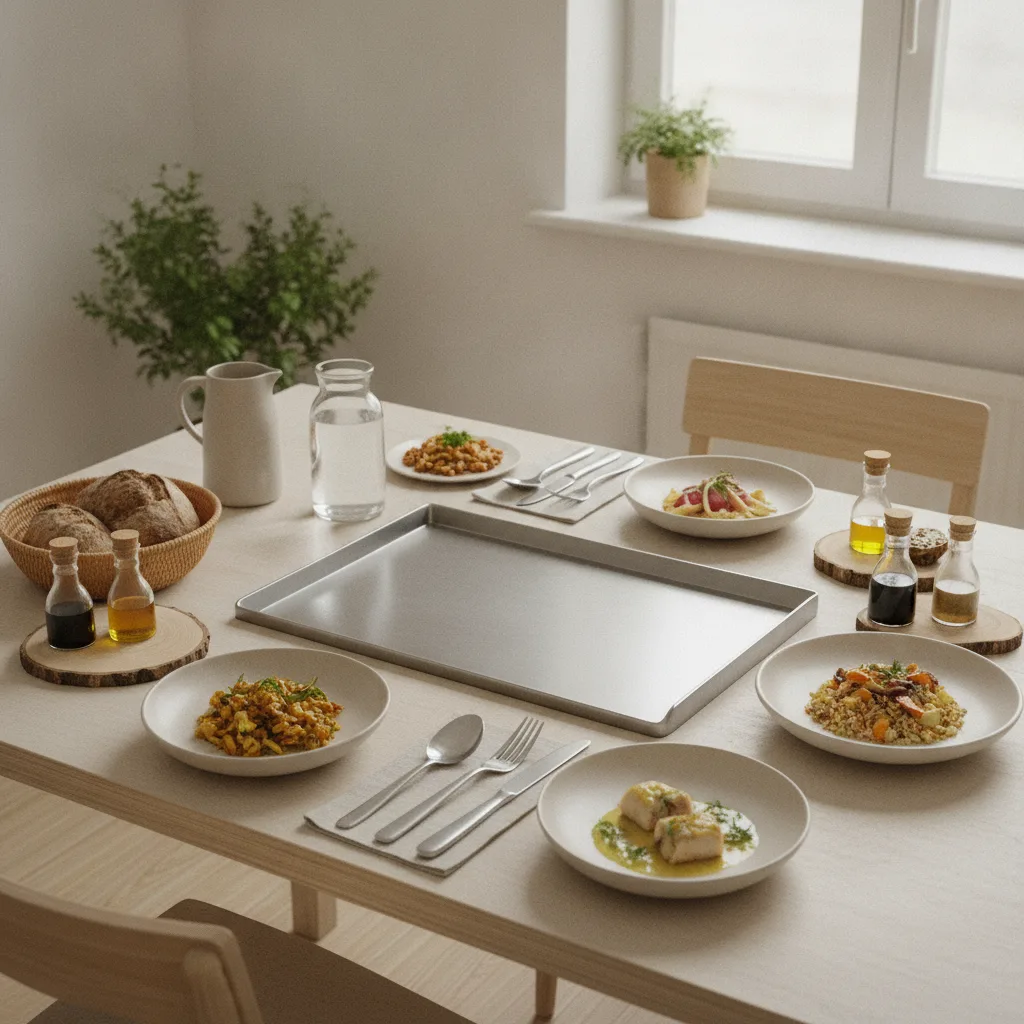
At Planchaelec, we design stainless steel electric planchas made in France, built to last. Food-grade stainless steel resists corrosion, needs no chemical coating and can be cleaned with natural products. By choosing a durable, made-in-France appliance, you reduce the carbon footprint linked to transport and support responsible local production.
| Buying criterion | Zero-waste impact |
|---|---|
| Food-grade stainless steel plate | No coating to replace, longer lifespan |
| Spare parts available | Repair rather than replacement |
| Made in France | Less transport, guaranteed traceability |
| Cleaning without chemicals | Less packaging and fewer pollutants |
| Adjustable power | Less wasted energy |
Utensils and organising a waste-free meal
A truly zero-waste plancha meal isn't just about the cooking. The environment around the plate matters just as much. The food press and sustainable cooking specialists stress the importance of replacing plastic utensils with alternatives made of wood, glass or stainless steel. For the plancha, this means choosing stainless steel spatulas and tongs that can withstand the heat without deteriorating.
When it comes to organisation, here are the key steps for a plancha meal without unnecessary waste: shop at your local market with cotton bags and glass jars for loose products, prepare your marinades in reusable containers, and serve on durable rather than disposable tableware. Keep peelings and tops for grilling, store leftovers in glass jars in the fridge, and compost food waste that can't be cooked (cores, stones, eggshells). This approach takes a little planning, but it quickly becomes an enjoyable habit that gives meaning to every shared meal.
Cleaning your stainless steel plancha the eco-friendly way
Cleaning is a key moment where the anti-waste approach can be fully applied. Specialist tutorials show that regular care with simple products is enough to keep a stainless steel plate in perfect condition for years. After cooking, scrape off the residue while the plancha is still hot using a scraper spatula, then deglaze the surface with a little lukewarm water to soften the remaining deposits.
For a deeper clean, white vinegar and lemon juice are effective at degreasing stainless steel. Bicarbonate of soda mixed with a little water forms a gentle paste that removes stubborn marks without scratching the surface. Our stainless steel plancha cleaning guide details every step for perfect, long-lasting care.
One important point: avoid pouring cold water on a plancha that is still very hot, as this could warp the plate and shorten its life. Then apply a thin layer of cooking oil to protect the surface until the next use. This simple step considerably extends the life of your appliance and reduces the need for specialist cleaning products.
FAQ
Can you really cook peelings on an electric plancha?
Absolutely. Root vegetable peelings (carrots, parsnips, sweet potatoes, beetroot) and tops (radishes, carrots, turnips) grill perfectly on a preheated stainless steel plate. Simply wash them well, dry them and oil them lightly. Cooking at high temperature makes them crispy in a few minutes. It's a simple, tasty way to use parts that are usually thrown away.
Which natural products can you use to clean a plancha without creating waste?
The trio of white vinegar, bicarbonate of soda and lemon covers almost all the cleaning needs of a stainless steel plancha. White vinegar degreases and disinfects, bicarbonate acts as a gentle abrasive, and lemon adds extra degreasing power while leaving a pleasant smell. Bought in large containers or loose, these products are a great replacement for aerosol sprays and disposable wipes.
Is a stainless steel plancha more durable than a plancha with a non-stick coating?
Yes, and it's a key point when reducing waste. A food-grade stainless steel plate has no coating that can deteriorate over time. It doesn't flake, doesn't release particles and keeps its cooking properties for many years. Planchas with a non-stick coating eventually lose their effectiveness and have to be replaced, which creates extra waste. Stainless steel, on the other hand, develops a patina and improves with use.
How can you avoid food waste at a plancha meal with friends?
Plan quantities according to the actual number of guests (around 200 to 250 g of meat or fish per person and a generous portion of vegetables). Prepare marinades in reusable containers rather than in cling film. During the meal, cook in several rounds rather than all at once so you can adjust as you go. Any leftovers can easily be turned the next day into a quick stir-fry, a wrap filling or a mixed salad.
The plancha, a tasty and responsible choice
Adopting zero-waste plancha cooking requires neither sophisticated equipment nor a radical change in your habits. It's above all about small, consistent steps: making use of peelings, cooking leftovers creatively, choosing durable stainless steel utensils, cleaning with natural products and investing in an appliance built to last. This approach gives meaning to every shared meal and proves that conviviality and responsibility go perfectly together. To discover our stainless steel electric planchas made in France and all the accessories that go with them, visit our online shop.