



 +33 4 78 55 45 69
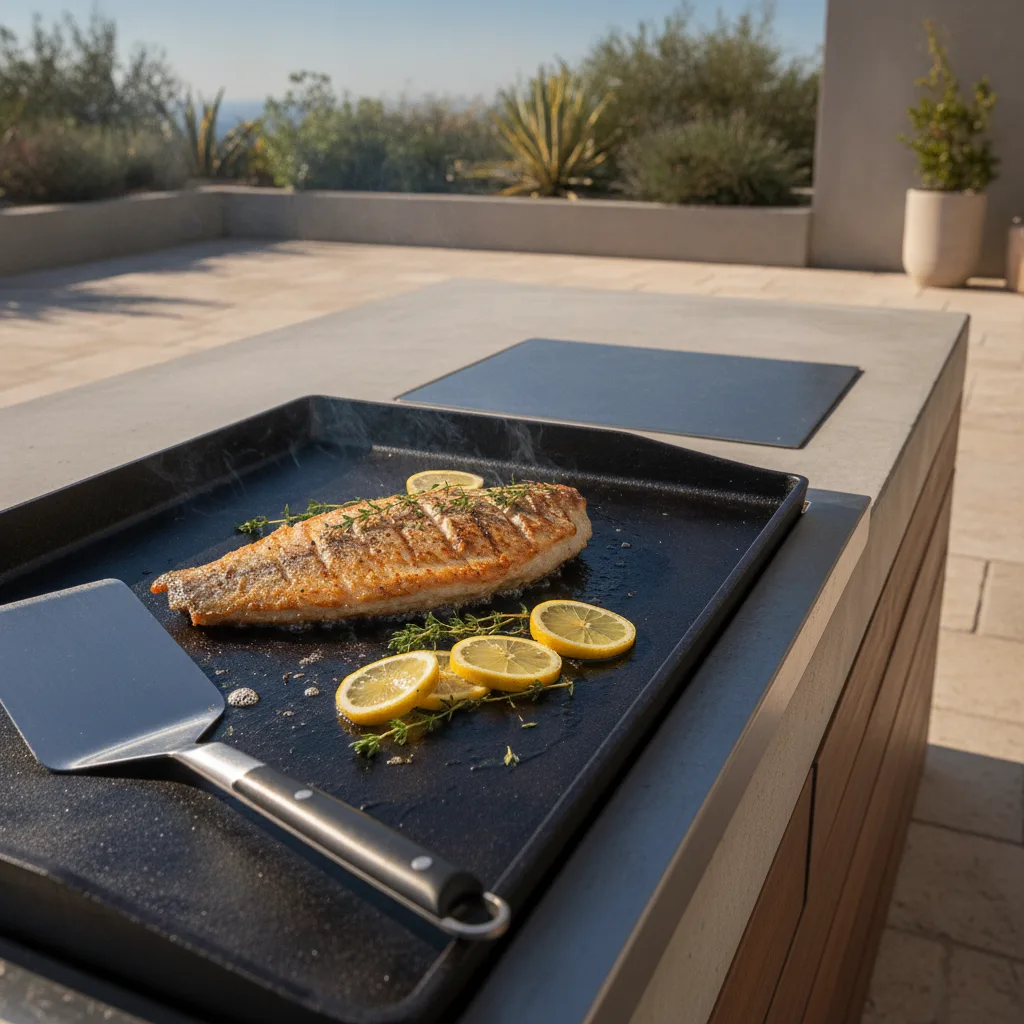
The plancha is arguably one of the best tools for cooking fish: direct heat, fast cooking, little fat and preserved flavours. Yet many cooks, even experienced ones, end up with a fillet stuck to the plate or flesh that crumbles when they try to turn it. The good news is that these problems can almost always be avoided. Mastering fish on the plancha rests on three simple pillars: temperature, preheating and patience. This guide explains everything, step by step.
How to cook fish on the plancha without it sticking
Reading time: ~8 min
- The 3 golden rules for cooking fish on the plancha
- Which fish to choose for the plancha?
- Step by step: how to cook fish on the plancha
- Table of temperatures and cooking times by fish
- Dos and don'ts
- Which plancha for cooking fish well?
- FAQ
- Cooking fish on the plancha is above all a question of method
The 3 golden rules for cooking fish on the plancha
Before even talking about recipes or precise temperatures, you need to take on board three fundamental principles. They apply to every type of fish, whether a salmon fillet, a whole sea bream or simple sardines.
Preheat sufficiently
A cold or lukewarm plancha is a guarantee that the fish will stick. The plate must be properly hot before you put anything on it: allow 10 to 15 minutes of preheating at the target temperature, generally between 180 and 240 °C depending on the species and the thickness of the piece.
Oil correctly
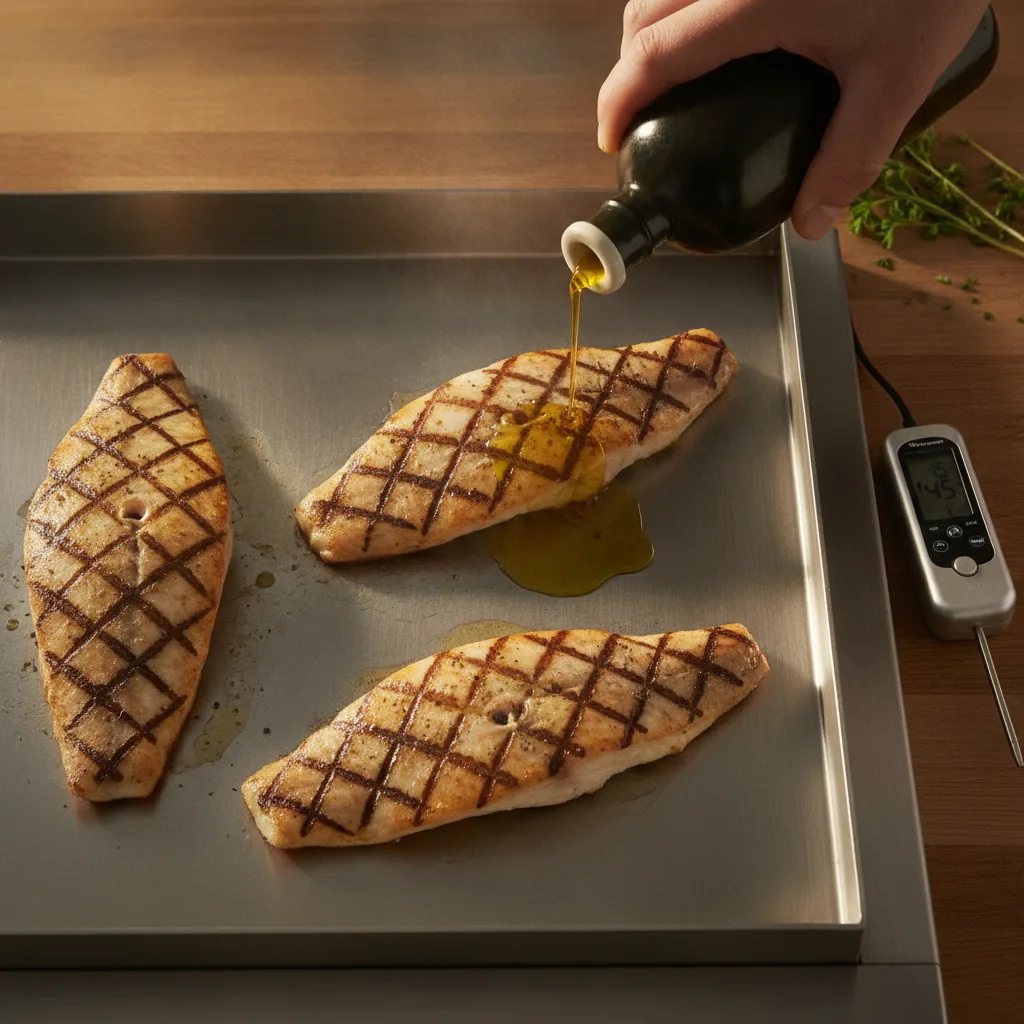
A light drizzle of neutral oil or olive oil, applied to the plate or directly to the fish, forms a barrier between the flesh and the hot surface. This barrier reduces sticking and encourages good browning. Some oily fish such as salmon can be placed skin side down without added fat, as their own fat is enough to protect the surface.
Don't touch the fish once it is down
This is the most often neglected rule. The fish should be placed on the hot, oiled plate and then left alone until it almost releases by itself. If you try to move it too early, it sticks and breaks. When it is ready to be turned, it comes away from the plate naturally.
Which fish to choose for the plancha?
Not all fish behave the same way on a hot plate. Knowing the characteristics of each species lets you adapt your technique.
Firm-fleshed fish
Firm-fleshed fish are the easiest to cook on the plancha: tuna, swordfish, monkfish, sea bass, cod, salmon. Their texture stands up well to direct heat and they can be turned without falling apart.
Oily fish
Oily fish such as salmon, mackerel or sardines are also excellent on the plancha. Their fat content nourishes the flesh during cooking and limits drying out, even at high temperature.
Fish with delicate skin
Fish with delicate skin such as sea bream or mackerel require a little more care. An oiled sheet of baking paper placed on the plate heated to 150-180 °C creates a temporary non-stick surface that protects the flesh and makes turning easier.
Step by step: how to cook fish on the plancha
Prepare the fish
If you are cooking a whole fish, scale and gut it, then wipe it carefully with kitchen paper. Surface moisture causes spattering and spoils browning. Keep the skin on: it protects the flesh during cooking and helps the piece hold together on the plate. For thick fish such as whole sea bass or sea bream, make a few slashes along the sides to encourage even cooking right through to the backbone.
Season and marinate
A simple marinade of olive oil, citrus juice (lemon, orange) and fresh herbs (thyme, rosemary, sage) suits most fish very well. Be careful with the timing, though: a marinade that is too long, especially with acidic citrus, starts to “cook” the flesh through a chemical reaction, making it more fragile and likely to break during cooking. Twenty to thirty minutes is enough in the vast majority of cases.
Set the plancha
Preheat your plancha 10 to 15 minutes before cooking. The ideal temperature varies with the fish and the thickness of the piece. For thin fillets, a plate at 230-260 °C quickly sears the surface. For thicker pieces or whole fish, it is better to start at 220-240 °C and then reduce slightly to finish cooking gently. Cod, whose flesh is very delicate, is cooked at a lower temperature, around 150 °C, to stop it falling apart.
Cook and turn
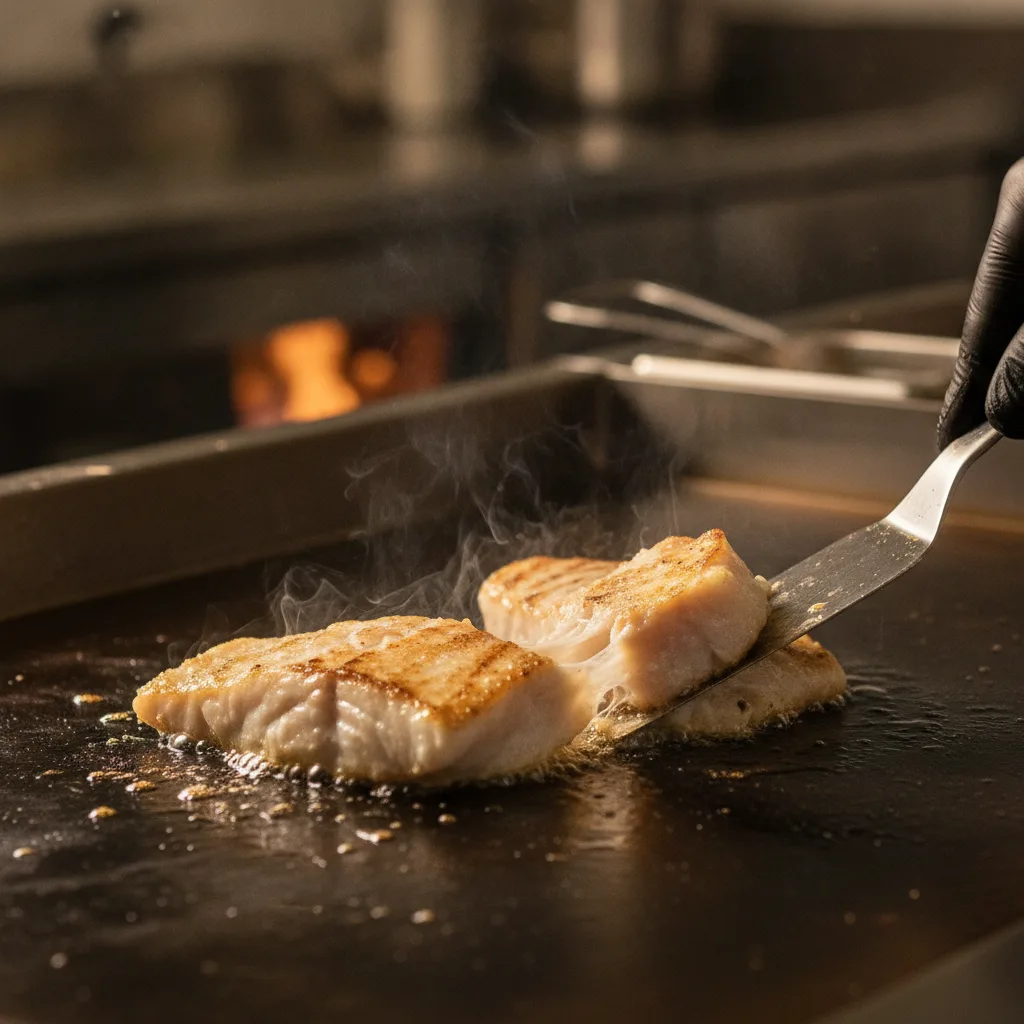
Always place the fish skin side down first, or the side that had the skin for a skinless fillet. Preferably place it in the centre of the plate, where the heat is most intense, for a quick sear. Wait patiently until it releases by itself before turning it. The flesh should start turning opaque at the edges and the underside should have a nice golden colour.
For thick fish, you can use a cooking dome for the last minute or two: it concentrates the heat around the fish and lets you finish cooking it through without drying out the surface.
Check the cooking
The best indicator remains the core temperature. Aim for 55 °C at the core for fish that is cooked “just pearly”, moist and tasty. Beyond that, the flesh dries out and loses quality. For seared tuna, stop cooking at around 40 °C at the core, roughly one minute per side depending on the thickness of the steak. Without a probe, look at the colour of the flesh: it should be opaque and come away easily from the bone, with clear juices.
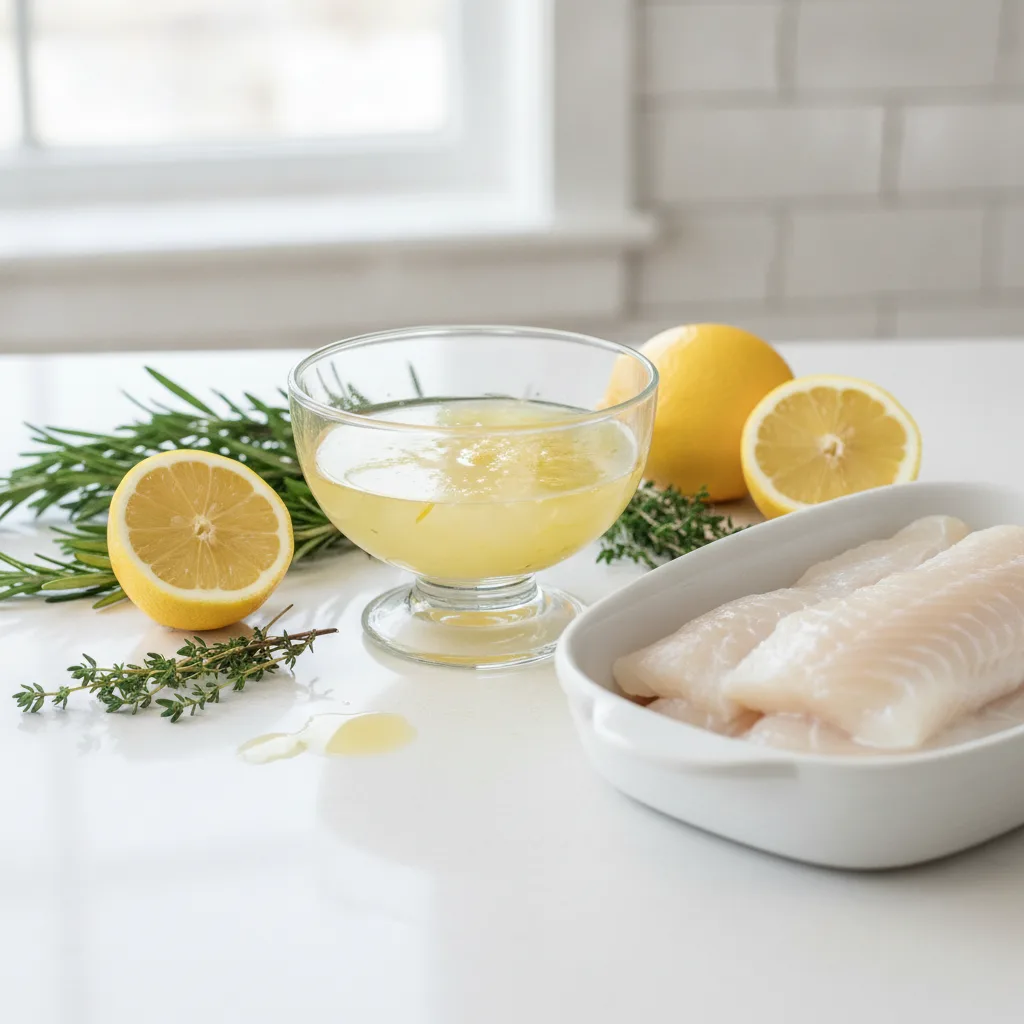
Table of temperatures and cooking times by fish
| Fish and cut | Plancha temperature | Approximate time | Tip |
|---|---|---|---|
| Thin fillets (whiting, sole...) | 230-260 °C | 2-4 min per side | Watch closely |
| Salmon fillet | 200 °C | 3-4 min per side | Skin side first, no added fat |
| Tuna steak | 200 °C | 1-3 min per side | Can be served seared at 40 °C at the core |
| Cod (fillets) | 150 °C | 4 min per side | Delicate flesh, gentle cooking |
| Whole sea bream | 180 °C | 5-6 min per side | Oiled baking paper recommended |
| Whole sea bass (~1 kg) | 240 °C (strong preheat) | 8-12 min per side | Slash the sides |
| Swordfish | 200 °C | 3-4 min per side (2 cm steak) | Firm flesh, handles heat well |
| Whole sardines | 220-240 °C | 2-3 min per side | Keep them whole to prevent drying out |
Dos and don'ts
Do
Preheat the plancha for 10 to 15 minutes before putting the fish on. Pat the fish dry before cooking to limit spattering. Start cooking skin side down. Wait until the fish releases naturally before turning it. Use a cooking dome for thick pieces. Aim for 55 °C at the core with a probe for a precise result.
Don't
Put the fish on a cold or insufficiently heated plate. Move or handle the fish during the first phase of cooking. Marinate the fish for too long in an acidic liquid. Go above 55 °C at the core, at the risk of drying out the flesh. Forget to oil the plate or the fish before cooking.
Which plancha for cooking fish well?
The material of the plate plays an important role in successfully cooking fish. A plate made of stainless steel offers good heat conduction, a surface that is easy to clean and complete taste neutrality: no risk of flavours or lingering odours being transferred from one cook to the next. This is a real advantage when you cook fish regularly, as its smells can permeate a porous surface.
The power of the plancha is also decisive. To keep a stable temperature of 200-250 °C even when you put several cold pieces on at once, you need a machine that can recover its temperature quickly. An undersized plancha will see its plate cool sharply on contact with the fish, which encourages sticking and uneven cooking.
Finally, certain accessories make a real difference when cooking fish. A cooking dome lets you finish thick pieces without turning them a second time. A wide, thin spatula makes turning easier without damaging the flesh. A grease collector keeps the plate clean during cooking. And for cleaning after a fish session, a dedicated degreasing cleaner removes residues and odours without harming the stainless steel.
If you would like to compare the available models for your use, our guide to choosing a plancha will help you find the configuration that suits your needs.
FAQ
How long does it take to cook a salmon fillet on the plancha?
A salmon fillet of standard thickness (about 2-3 cm) cooks in 3 to 4 minutes per side on a plancha preheated to 200 °C. Always start skin side down. Salmon can be placed directly on the plate without extra fat, as its own fat content is enough to prevent sticking. It is done when the flesh is opaque right to the centre and the core temperature reaches 55 °C.
How do you stop fish sticking to the plancha?
Three factors explain sticking: a plate that is not hot enough, a lack of fat and handling the fish too early. To remedy this, always preheat your plancha to the right temperature before putting the fish on, lightly oil the plate or the fish, and don't touch the piece until it releases naturally. For fish with delicate skin such as sea bream, an oiled sheet of baking paper placed on the hot plate provides excellent extra protection.
Can you cook a whole fish on the plancha?
Yes, absolutely. A whole fish such as sea bass or sea bream cooks very well on the plancha, provided you adapt the technique. Slash the sides to encourage even cooking through to the backbone. Preheat the plate to a high temperature (around 240 °C), then reduce slightly once the fish is on. Allow about 8 to 12 minutes per side for a one-kilogram sea bass, depending on its thickness. A cooking probe remains the best way to check that the flesh is cooked through (55 °C) without opening up the fish.
What is the ideal temperature for cooking fish on the plancha?
It depends on the type of fish and the thickness of the piece. As a general rule, the plate surface should be between 180 and 240 °C. Thin fillets tolerate higher temperatures (230-260 °C) for a quick sear, while fish with delicate flesh such as cod prefer gentler cooking at around 150 °C. In every case, the core temperature should not exceed 55 °C to preserve the moistness and flavour of the fish.
Cooking fish on the plancha is above all a question of method
Cooking fish successfully on the plancha is not a question of talent but of method. Proper preheating, suitable oiling, minimal handling and respecting core temperatures: these four points are enough to turn every session into a success. The quality of your equipment also plays a part, especially consistent heating and easy cleaning after cooking fish. To go further and discover the stainless steel electric planchas designed for this type of cooking, explore our full range on Planchaelec.