



 +33 4 78 55 45 69
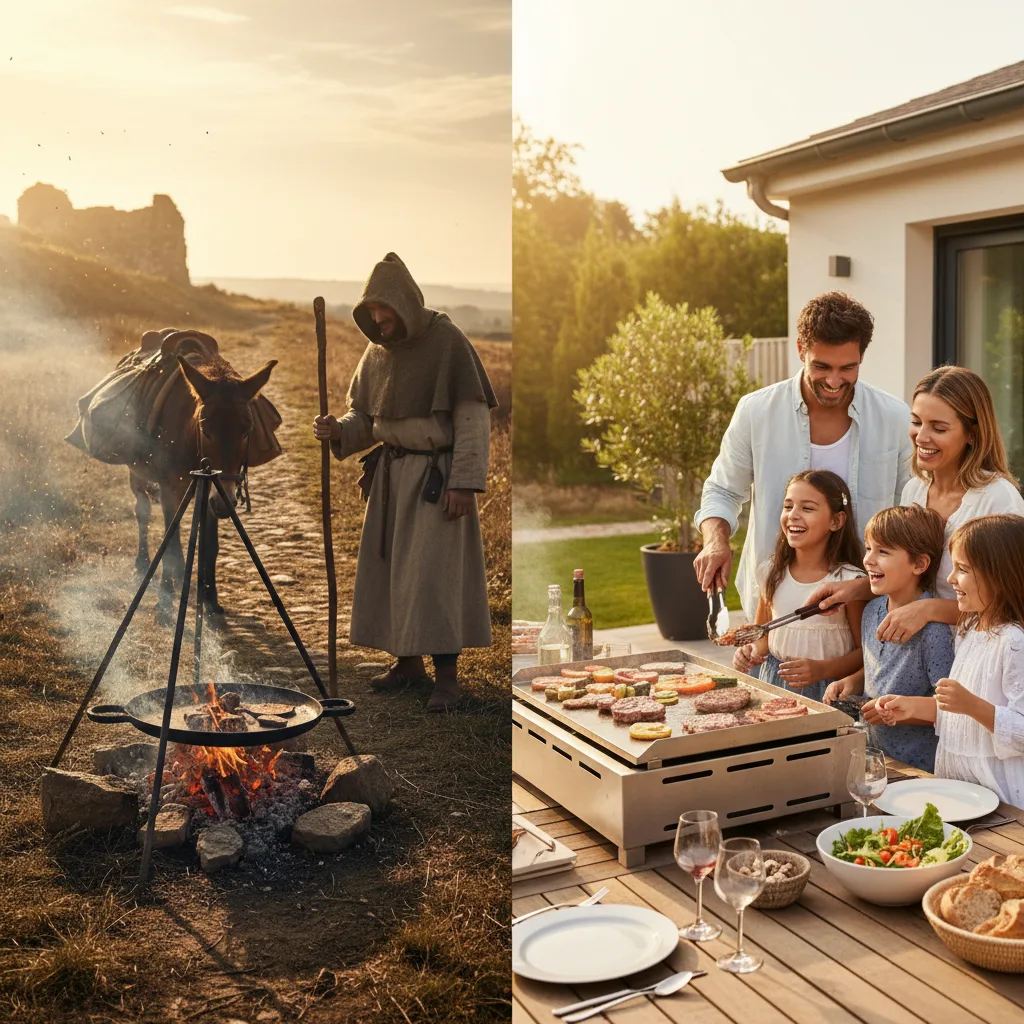
Few kitchen utensils can trace their origins back to the medieval routes of the Camino de Santiago. Yet that is exactly the story of the plancha: a metal plate set over embers, carried on the backs of mules by pilgrims crossing Spain, which several centuries later became one of the most popular cooking methods among French families. Between popular tradition, technical evolution and today's enthusiasm for healthy, convivial cooking, the plancha has come a remarkable way. Here is how this humble tool became a must-have on our terraces and in our gardens.
The History of the Plancha: From Spanish Pilgrims to Your Table.
Reading time: ~7 min
- The origins of the plancha: the Middle Ages and the Camino de Santiago
- From religious festival to Spanish culinary tradition
- Technical evolution: from iron plate to modern appliances
- The plancha boom in France from the 2000s
- The plancha today: between heritage and modernity
- FAQ
- The plancha, a living heritage between tradition and modernity
The origins of the plancha: the Middle Ages and the Camino de Santiago
A cooking method born on the Camino de Santiago
The word "plancha" comes directly from Spanish and simply means "plank" or "board". This modest etymology hides a rich history, rooted in the culinary practices of medieval pilgrimages.
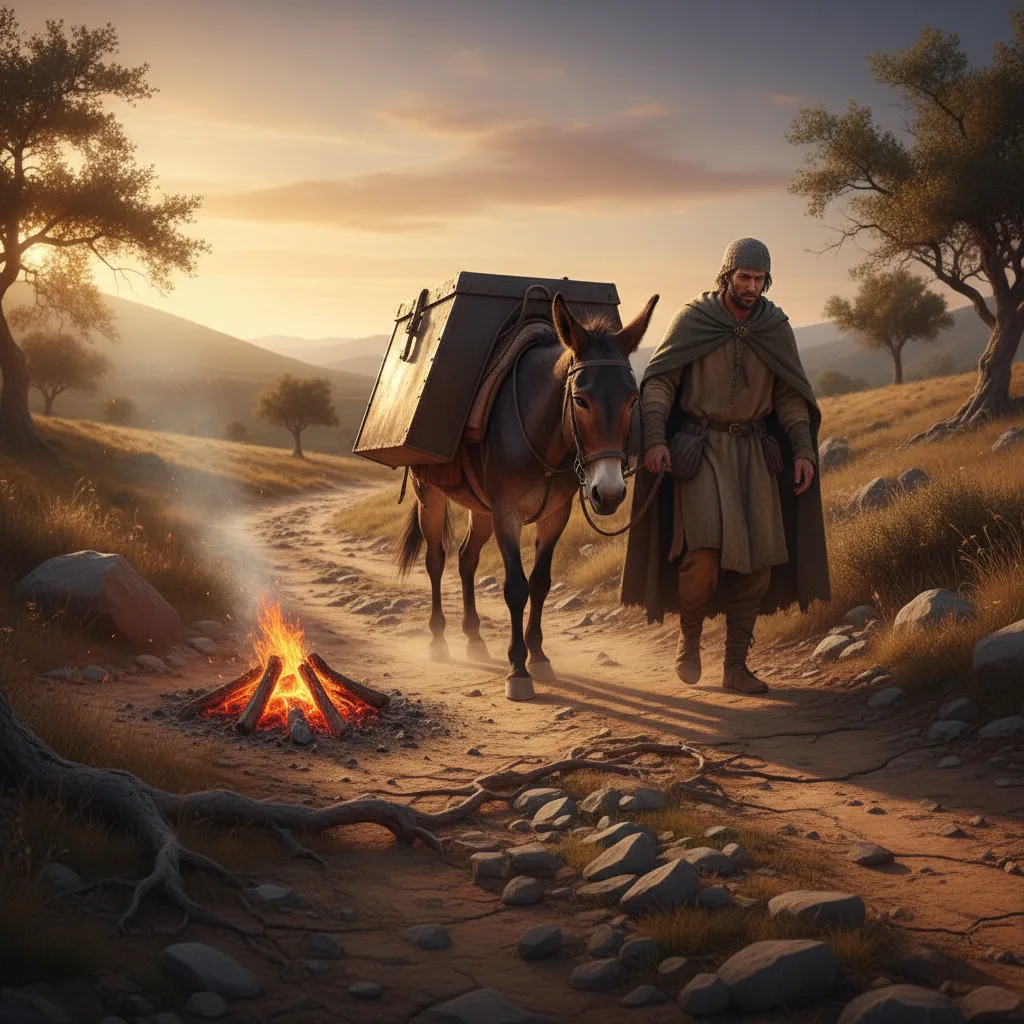
At the end of the Middle Ages, the roads leading to Santiago de Compostela were travelled by thousands of pilgrims from all over Europe. These travellers had to feed themselves along the way, often in large numbers and with very limited means. The solution they adopted was as simple as it was effective: a large iron plate, sometimes made of stone, carried on the back of a mule or donkey and placed directly on the embers of a wood fire. On this hot surface, meat, vegetables and other foods could be cooked at the same time to feed dozens of people in one go.
This communal way of cooking met an obvious practical need: serving a large number of people quickly with minimal equipment. The plancha was not yet an object of gastronomic pleasure, but a tool for communal survival, closely linked to religious gatherings and long journeys.
Along the way, some of these plates were left behind in the villages the pilgrims passed through, where they were used for local festivals and large communal meals. This is how the plancha gradually left the world of pilgrimage and entered that of celebration and conviviality.
From religious festival to Spanish culinary tradition
From religious fervour to festive meals
Over the following centuries, the plancha took root in Spanish culinary culture. It moved from an essentially religious and communal use to a festive and everyday one, first in Spanish homes and restaurants, then gradually in Latin America, where Spanish traditions were exported with colonisation.
By the 19th century, the plancha was already well established in Spanish eating habits, particularly at large village festivals and family gatherings. Its ability to cook large quantities of food quickly, with little fat and plenty of flavour, made it a valuable tool for professional cooks and home cooks alike.
For much of the 20th century, the plancha remained essentially a tool of Iberian and Latin American cuisine, little known in the rest of Europe. In France, Germany or the United Kingdom, it was the barbecue, with its grills and direct flames, that dominated outdoor meals. The traditional plancha was still waiting for its moment.
Technical evolution: from iron plate to modern appliances
The transformation of the cooking plate
The most significant change in the history of the plancha is undoubtedly its technical evolution. From a simple metal plate placed over embers, it has become a sophisticated, self-contained cooking appliance, available in a wide variety of materials and configurations.
Today, a plancha is an appliance fitted with a smooth cooking plate, heated by gas or electricity, capable of reaching very high and even temperatures across its entire surface. This thermal consistency is precisely what sets the modern plancha apart from its medieval ancestors: it allows food to be seared quickly, cooking juices to caramelise and precise cooking, with no hot spots or cold zones.
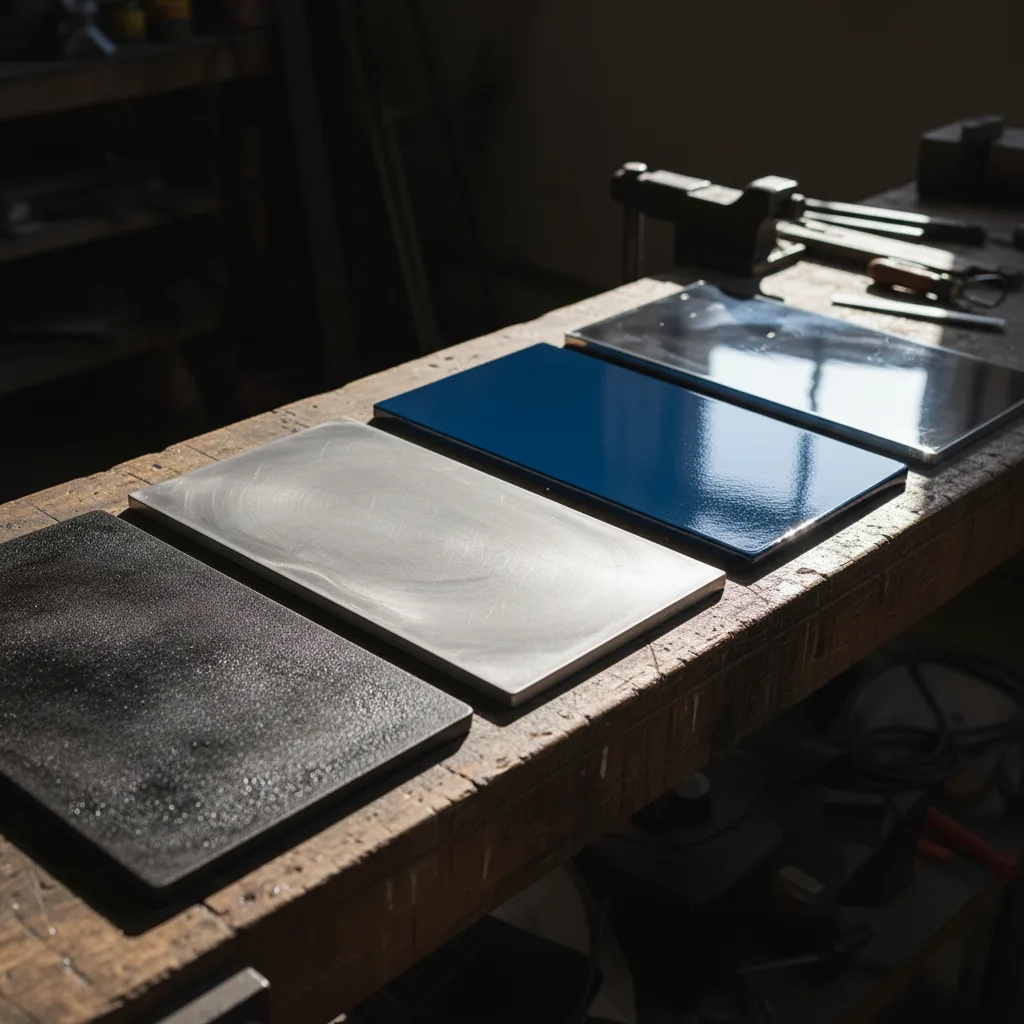
The materials used for the plates have also evolved. Today there are plates made of cast iron, rolled steel, enamelled steel and stainless steel. Each material has its own characteristics in terms of heat-up time, thermal inertia and ease of cleaning. Stainless steel, in particular, is known for its resistance to corrosion, its food-safe neutrality and its longevity, making it the reference material for high-end electric planchas such as those offered by Planchaelec.
The plancha differs fundamentally from the barbecue in that there is no direct flame under the food. This technical feature has a direct impact on the nutritional quality of the dishes: less fat, less toxic smoke, and food cooked by contact with a hot surface rather than by radiation from flames. This is one of the arguments that has greatly contributed to its success with people who want to eat healthily without sacrificing pleasure.
The plancha boom in France from the 2000s
It was at the turn of the 2000s that the plancha truly conquered France and, more broadly, Europe. Several factors came together to explain this sudden enthusiasm.
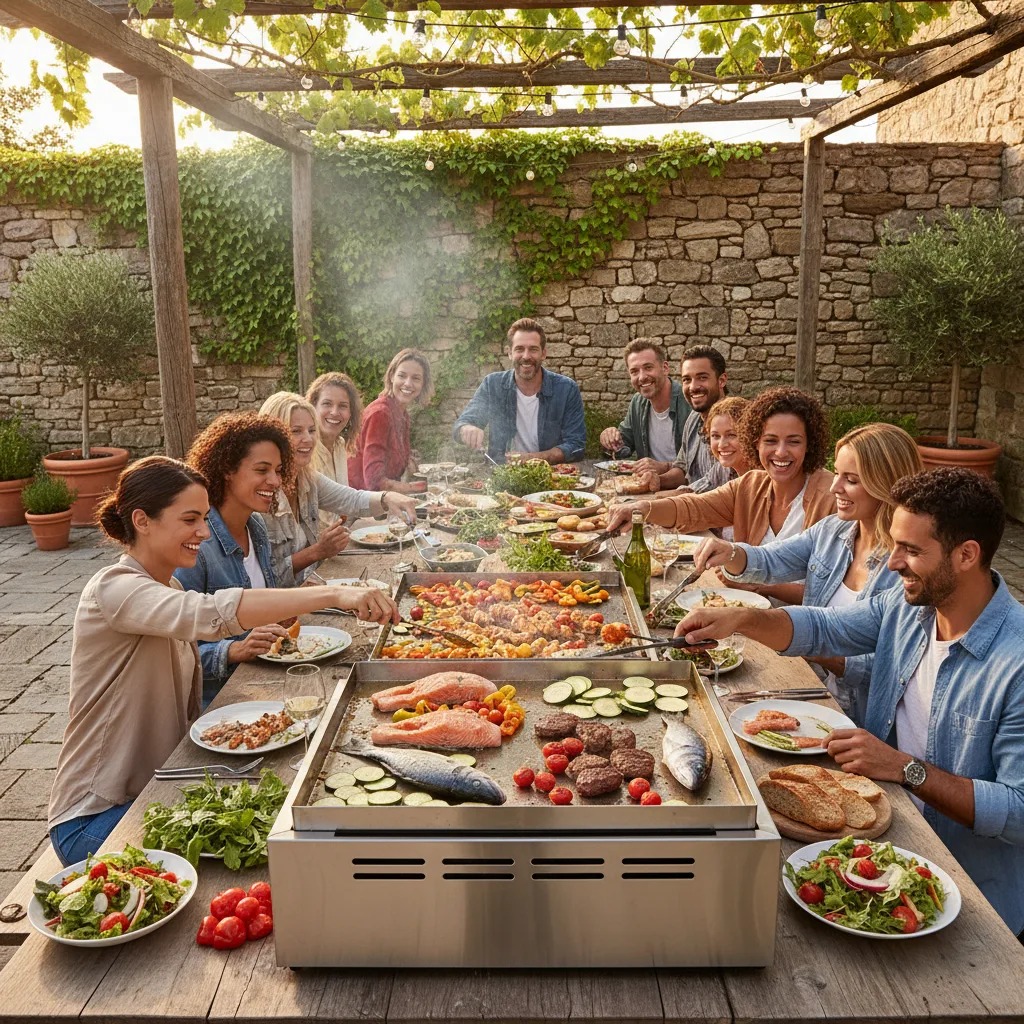
First, a change in lifestyles: the French developed a strong attachment to outdoor meals, terraces, gardens and convivial moments shared with friends or family. The plancha, which lets you cook live in front of your guests, fits perfectly with this spirit of sharing and culinary transparency.
Next, a growing nutritional awareness: consumers began looking for alternatives to the traditional barbecue, seen as less healthy because of the fat dripping into the flames and the potentially harmful compounds produced by combustion. The plancha, with its contact cooking and very low use of fat, appeared as a natural answer to these concerns.
Finally, the industrial offer grew considerably, with the arrival of gas and then electric models, available for every budget and suited to large terraces and small balconies alike. Electric planchas in particular opened up a new market: they need no gas bottle, can be used indoors as well as outdoors, and offer great precision in temperature control.
Here are the main reasons behind the rise of the plancha in France since the 2000s:
| Reason | Key element |
|---|---|
| Healthier cooking | Less fat and smoke |
| Conviviality | Cooking in front of guests |
| Versatility | Meat, fish, vegetables, seafood, desserts |
| Electric models | Suitable for indoors and small outdoor spaces |
The plancha today: between heritage and modernity
In 2026, the plancha is much more than a simple kitchen utensil. It has become the symbol of a way of life: shared meals and generous cooking done in plain sight, inherited directly from medieval Spanish traditions but reinterpreted through the lens of today's expectations.
French manufacturers have played an important role in this evolution, offering appliances that combine quality materials, thermal performance and careful design. The stainless steel electric plancha, in particular, embodies this blend of tradition and modernity: it takes up the basic principle of the pilgrims' hot plate on the Camino de Santiago, but with the precision, durability and practicality required for everyday or festive use in the 21st century.
The wide range of possible uses is also a key factor in its lasting success. On this subject, you can read our complete guide on how to cook on a plancha to discover the full range of possibilities this appliance offers, from prawns seared in a few minutes to perfectly grilled vegetables.
FAQ
What is the origin of the word "plancha"?
The word "plancha" is borrowed directly from Spanish, where it means "plank" or "board". It originally referred to the metal plate used to cook food, then by extension to the cooking method itself, and finally to the complete appliance. This simple etymology reflects the nature of the tool well: a flat, hot surface on which food is cooked by direct contact.
Is the plancha really healthier than the barbecue?
Yes, for several technical reasons. The plancha cooks food by contact with a heated surface, without a direct flame. Fat does not drip onto embers, which avoids the formation of potentially harmful smoke. In addition, plancha cooking requires very little or no added fat, making it a cooking method suited to a light, balanced diet. This is one of the main reasons for its rise in France since the 2000s.
What is the difference between an electric plancha and a gas plancha?
An electric plancha plugs into a standard power socket, which means it can be used indoors as well as outdoors, without needing a gas bottle. It generally offers great precision in temperature control and heats up quickly. A gas plancha, on the other hand, is often appreciated for its heating power and outdoor use. The choice between the two depends mainly on the intended use, the space available and personal preferences. To find out more, the electric vs gas plancha comparison by Planchaelec details the criteria to consider.
Can an electric plancha be used indoors?
Yes, this is one of the main advantages of the electric plancha over gas models. Provided you choose a suitable model and make sure the room is well ventilated, an electric plancha can be used in the kitchen, in a dining room or on a covered balcony. Some models are specifically designed for indoor use, with systems that limit splashes and smoke.
The plancha, a living heritage between tradition and modernity
From the iron plate placed over the embers of a medieval fire to stainless steel appliances plugged into your power socket, the plancha has come through the centuries while keeping the essence of what defines it: a hot surface, perfectly seared food, and guests gathered around a shared meal. This continuity between the history of the plancha and its current uses is precisely what gives it its unique character, both rooted in a popular tradition and perfectly suited to modern lifestyles.
To discover the available models and find the one that suits your needs, explore the full range of Planchaelec electric planchas.