



 +33 4 78 55 45 69
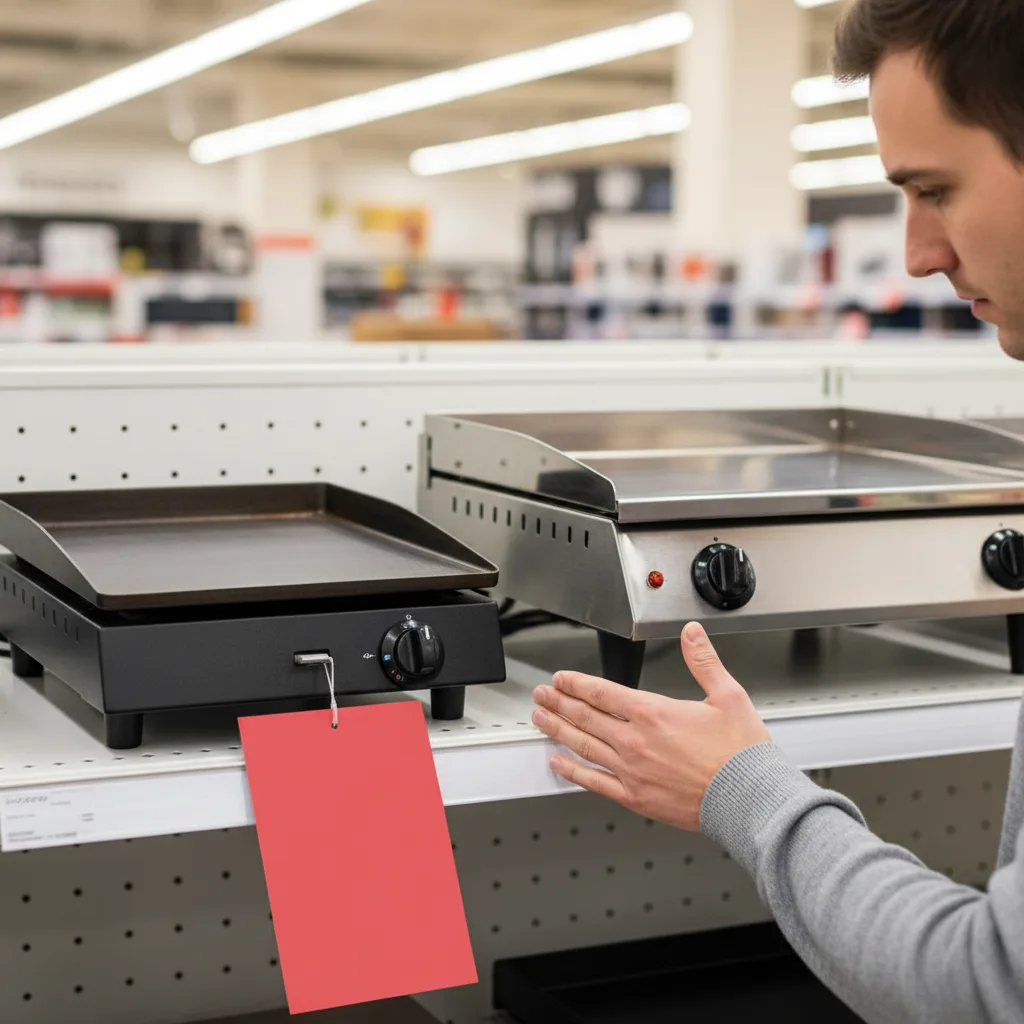
Buying a cheap plancha may seem like a good idea, especially when entry prices start at around 30 euros in the big retail chains. Yet behind these attractive prices there are often major compromises: low-quality materials, insufficient power, difficult maintenance and a disappointing lifespan. Before being won over by a price tag, it is better to understand what you are really buying. This guide helps you tell the difference between a good deal and a purchase you will regret by the end of the first summer.
Cheap electric plancha: the pitfalls to avoid
Reading time: ~6 min
- What “cheap plancha” really means
- The most common pitfalls with low-cost models
- Affordable electric plancha or quality plancha: where is the best value for money?
- Why the Planchaelec Néo range is a serious alternative
- What to check before any purchase, whatever your budget
- FAQ
- Cheap electric plancha: the key points before you buy
What “cheap plancha” really means
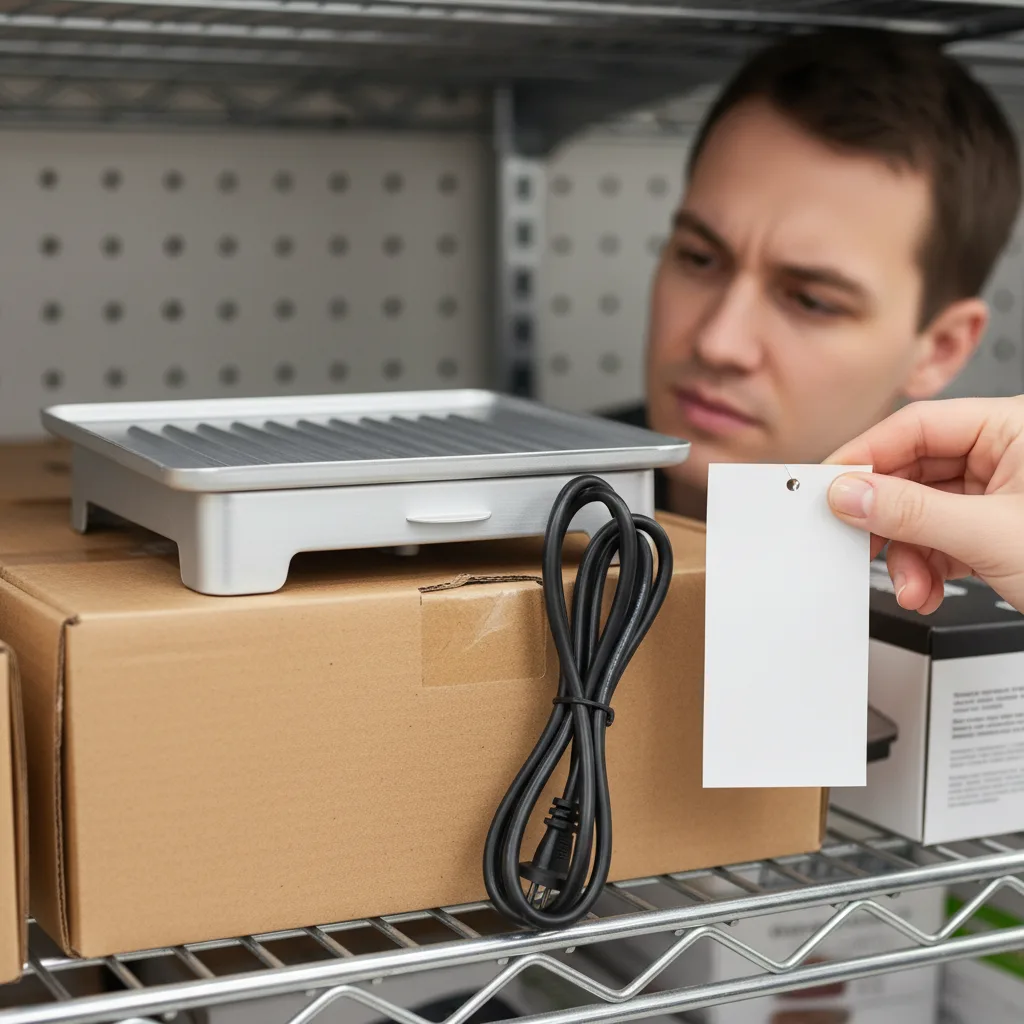
On the French market, the least expensive planchas are almost always electric models. Their power is often poorly matched to the plate, their cooking surface is small and their plate is often covered with a standard non-stick coating. Some appliances sold for around fifteen euros are closer to a hotplate than a real plancha. Others, at around 29 to 50 euros, may be fine for very occasional use: a few grilled vegetables, sliced chicken or fish on a weekday. But as soon as you want to sear a nice piece of meat, cook for six people or use your appliance several times a week, these models quickly reach their limits.
The confusion often comes from the fact that the word “plancha” covers very different realities. An entry-level plancha and a stainless steel electric plancha with sheathed heating elements have only the name in common. One heats slowly, loses its temperature as soon as cold food is placed on it and scratches at the first clean. The other quickly reaches the right temperature, keeps an even heat across the whole surface and cleans in a few minutes.
The most common pitfalls with low-cost models
Insufficient power that hampers cooking
This is the most common flaw of cheap planchas. When the power is too low for the size of the plate, heating up is slow and the plate cools as soon as food is put on it. The result: meat stews rather than sears, vegetables release their water without grilling, and the meal loses all its flavour appeal. Power is one of the most important criteria for effective cooking, especially for thick pieces.
Materials that don't stand the test of time
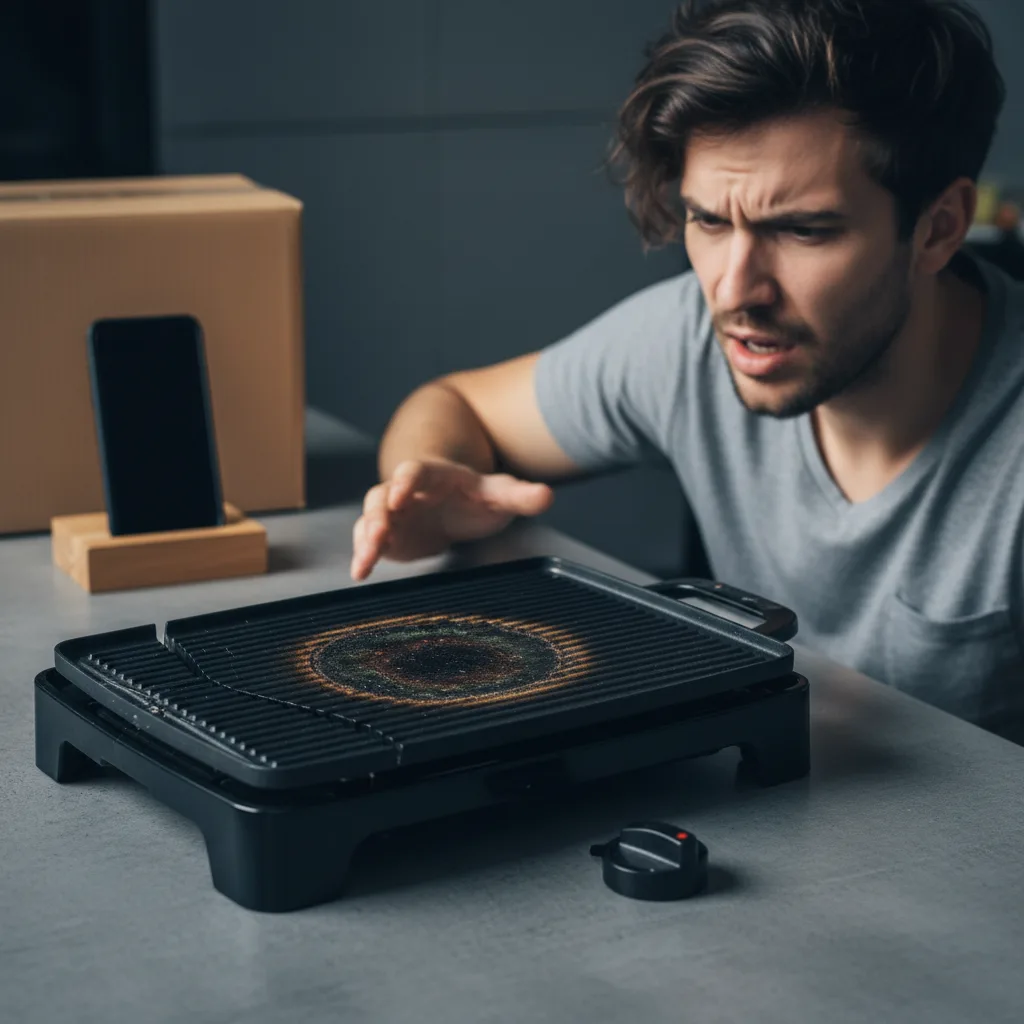
Entry-level planchas generally use plates covered with a non-stick coating. This type of surface scratches easily, especially if you use metal spatulas or unsuitable abrasive pads. Once scratched, the coating loses its properties and may raise food safety questions. A food-grade stainless steel plate, by contrast, is not afraid of utensils, withstands intense heat and can be cleaned without any special precautions.
The thickness of the plate also plays an essential role. A thin plate heats quickly but unevenly, creating cold zones and scorching zones. A thicker plate, in stainless steel or treated steel, spreads heat evenly across the whole surface.
After-sales service that is non-existent or hard to reach
No-name brands or products sold under retailer brands rarely offer good after-sales service. In the event of a breakdown (and breakdowns do happen, even on recent appliances), you are often left with no spare parts available, no clear contact and no effective guarantee. Buying from an established brand, with reachable after-sales service and accessories available separately, protects your investment in the long term.
Complicated maintenance that discourages use
Cheap planchas are often difficult to clean properly. Non-stick coatings cannot withstand strong degreasers, and seals or grease collection trays are sometimes missing or poorly designed. A plancha you don't dare to clean properly ends up at the back of a cupboard after two or three uses.
Affordable electric plancha or quality plancha: where is the best value for money?
Comparing price ranges and uses
| Price range | What you get | Who it's for |
|---|---|---|
| Under €50 | Non-stick plate, low power, very limited use | Very occasional use, tight budget |
| €50 to €150 | Better finish, adequate power, but often average materials | Moderate use, family of 2 to 4 |
| From €150 | Stainless steel plate, sufficient power, serious after-sales service, real durability | Regular use, meals with friends, demanding cooking quality |
Real value for money is not found in the 30-euro bracket. It is found in the mid- to upper range, where the plate material, power and build quality justify a higher initial investment that pays for itself over several years of use.
Why the Planchaelec Néo range is a serious alternative
A durable alternative to cheap electric planchas
Rather than looking for the cheapest possible electric plancha, it makes more sense to look for the most affordable plancha among those that make no compromise on the essentials. That is exactly the positioning of the Planchaelec Néo range.
Made in France (Origine France Garantie label), this range offers a 3 mm food-grade stainless steel plate, sheathed heating elements for fast and even heating, and a removable juice collection bowl. Cleaning is done while warm in a few minutes, without harsh products or special precautions. The Néo 420 Plancha is thus a way into the world of stainless steel electric planchas without giving up cooking quality.
Unlike entry-level models with a non-stick coating, a stainless steel plate does not flake, stands up well to everyday scratches and stays healthy in the long term. It can be used with metal spatulas, cleaned with suitable abrasive pads and maintained with a dedicated degreasing cleaner without any risk of damage.
For those who want complete equipment from the start, the Néo Plancha pack combines the plancha and the essential accessories at a consistent price, saving you from multiple separate purchases.
What to check before any purchase, whatever your budget
Before confirming an order, here are the points to check systematically: the actual power in watts (to be judged against the size of the plate: a small, well-powered plate heats better than a large, underpowered one); the plate material (food-grade stainless steel or treated steel rather than non-stick); the presence of a grease collection tray; reachable after-sales service and available spare parts; the returns policy and length of the guarantee.
These criteria apply whatever the brand. They help you avoid unpleasant surprises and choose an appliance that will last several seasons rather than a few months.
FAQ
Can an electric plancha under 50 euros be suitable for family use?
For very occasional use and simple cooking (vegetables, fish, small pieces of meat), an entry-level model can do the job. However, as soon as you cook regularly or for more than four people, the power and cooking surface quickly become insufficient. The quality of the materials also raises the question of durability: a non-stick coating that is scratched within a few months means early replacement.
What is the difference between a stainless steel electric plancha and a plancha with a non-stick coating?
A food-grade stainless steel plate is sturdier, resists scratches, withstands high temperatures and is easy to clean while warm. It does not flake and releases no residue into food. A non-stick coating offers a surface that is easier to use at first, but it deteriorates quickly with use, metal utensils and cleaning products. In the long term, stainless steel is much more economical and more durable.
How do you look after an electric plancha so that it lasts?
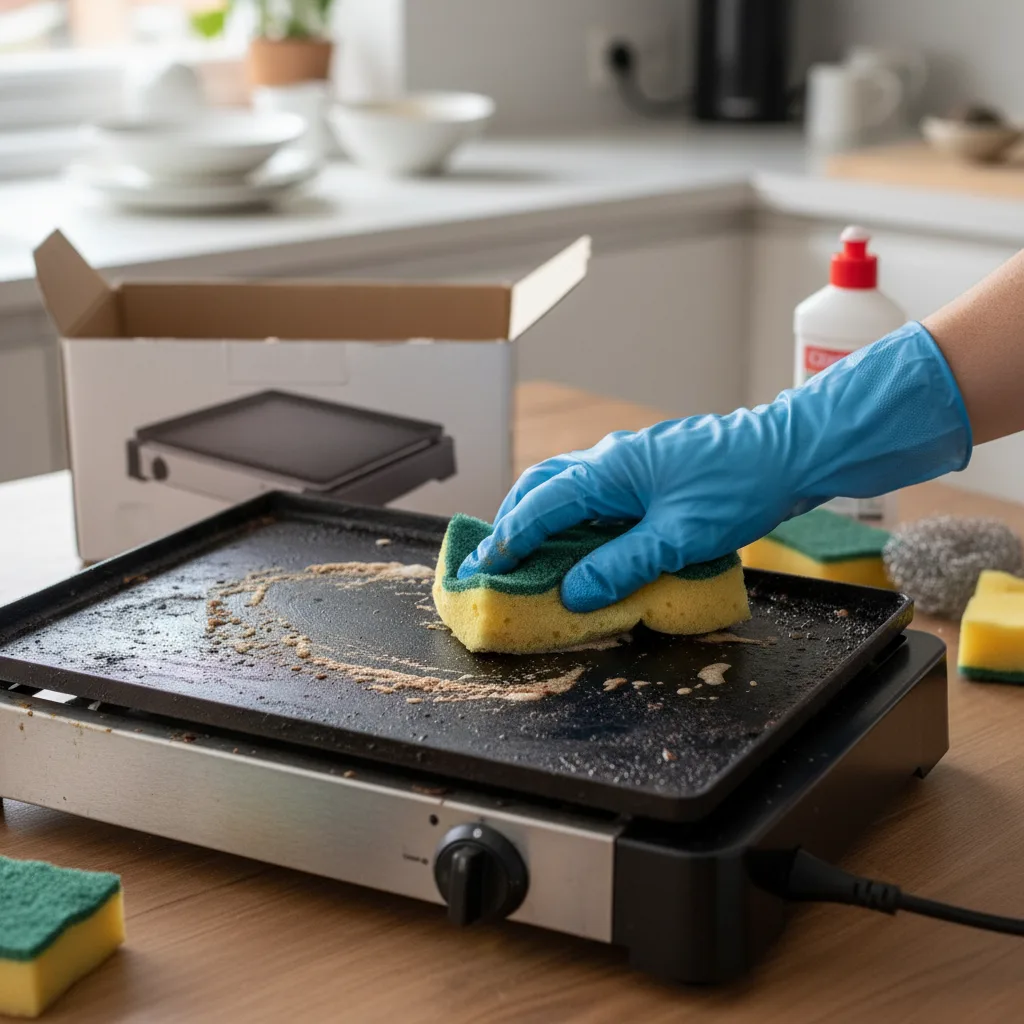
Cleaning while warm is the most effective method: after cooking, while the plate is still lukewarm, scrape off residues with a scraper spatula, then rub with a damp abrasive pad. Rinse with water and dry. For stainless steel planchas, you can use a dedicated degreaser without fear of damaging the surface. Avoid ordinary scouring sponges on non-stick coatings and never immerse an electric plancha in water. To find out more, the complete stainless steel plancha cleaning guide from Planchaelec details every step.
Cheap electric plancha: the key points before you buy
A low-priced electric plancha may seem like a saving at the time of purchase, but it often turns out to be expensive in the long run: early replacement, disappointing performance, restrictive maintenance. The real criterion is not the purchase price but durability, cooking quality and ease of maintenance. By choosing a well-made stainless steel electric plancha, you are investing in equipment that will serve you for several years without compromise. To discover the available models and choose the one that suits your use, see the full Planchaelec range.