



 +33 4 78 55 45 69
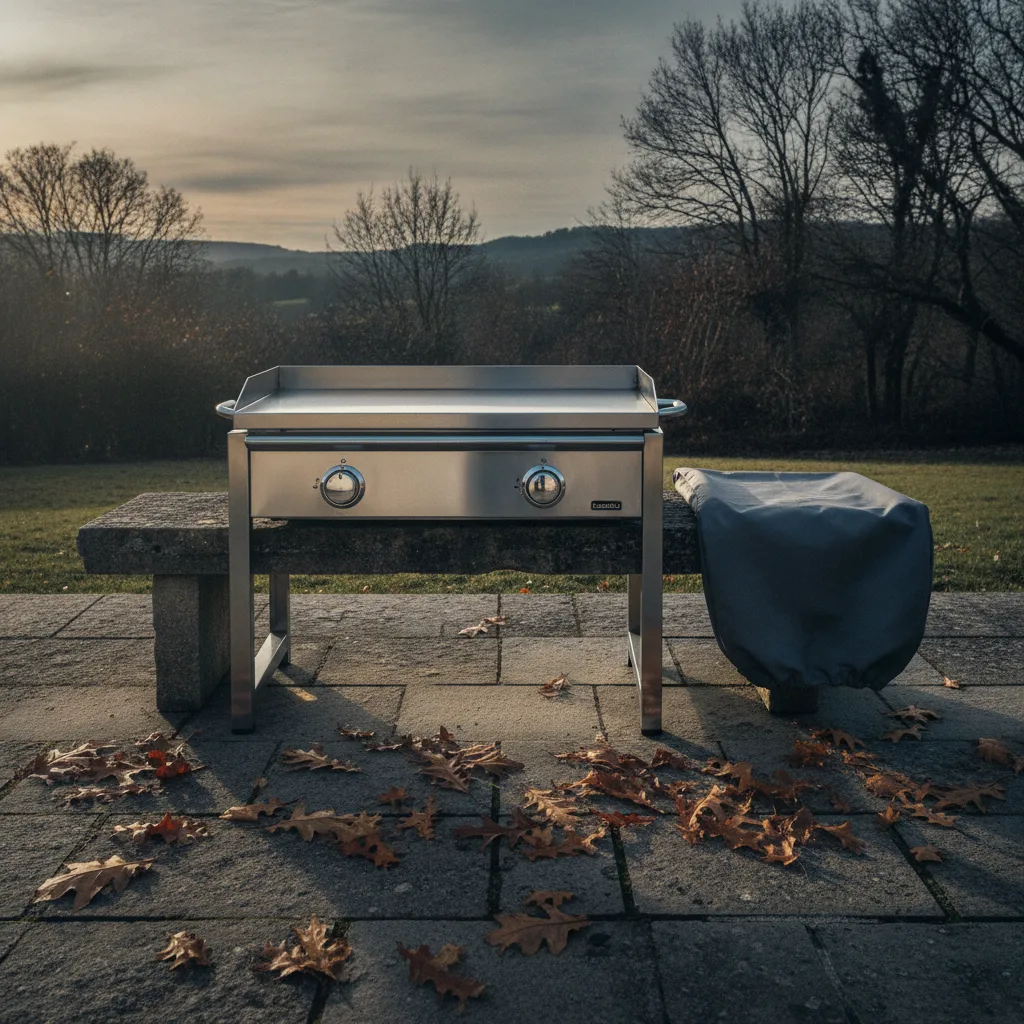
Autumn is drawing to a close, the last rib of beef has been grilled and your plancha deserves a break of several months, preceded by proper winter storage. With damp, frost and condensation, this period of inactivity is when a poorly prepared appliance deteriorates the most.
A good winter storage routine for a plancha takes less than an hour and determines the condition of your plate in spring. At Planchaelec, a French manufacturer of stainless steel electric planchas, we see the difference every year between appliances stored methodically and the others. Here is the full procedure, step by step, for electric models and gas planchas alike.
Storing a plancha for winter: our 2027 guide
Reading time: ~9 min
- Why prepare a plancha for winter before the first cold snap
- The complete 7-step routine
- Where to store a plancha in winter
- Winter storage of a gas plancha: specific points
- Winter storage of a stainless steel electric plancha
- The winter storage checklist
- The mistakes that cause rust
- Getting it back into service in spring
- Going further with your plancha's winter storage
- FAQ
Why prepare a plancha for winter before the first cold snap
A plancha left dirty and damp for five months suffers three kinds of damage. Greasy residue oxidises and becomes very hard to remove, residual moisture trapped under a cover or lid encourages corrosion, and temperature changes cause constant condensation on the cooking plate.
On a steel or cast iron plate, the first spots of rust appear quickly. On a stainless steel plate, corrosion resistance is far higher, but that does not exempt it from a thorough clean and careful drying, as the Long Time Label durability standards for cooking appliances point out.
The other issue is safety. A cracked gas hose, a power cord damaged by damp or a burner colonised by insects are discovered too late, on the day of the first barbecue in March. Winter storage is therefore as much a maintenance task as a seasonal safety check.
The complete 7-step routine
Step 1: choose the right moment
Do it right after the last use of the season, when the plate is still slightly warm. The grease is then fluid and comes off effortlessly. Never work on a scorching appliance, and do not pour liquid onto an overheated plate without checking the manufacturer's manual.
Step 2: thoroughly degrease the plate
Scrape the residue towards the grease tray with a scraper spatula suited to the material, then clean with soapy water or a degreasing cleaner designed for planchas. Avoid harsh abrasive products and flammable solvents, which scratch the surface and are a hazard.
Our dedicated guide to cleaning a stainless steel plate explains the method, and our cleaning consumables are all gathered in one place.
Step 3: deal with the surrounding parts
Empty and wash the grease tray, clean the frame, side shelves and trolley, and check that no greasy deposits remain around the burners or knobs. This is often where hidden damage starts.
Step 4: make sure everything is completely dry
This is the most neglected and most decisive step. Wipe with a clean, dry cloth, paying particular attention to corners, welds, grooves, connections and the underside of the plate. A plancha stored damp almost always ends up showing signs of corrosion.
Step 5: apply protection
On a steel or cast iron plate, spread a very thin film of food-grade protective oil or a compatible anti-corrosion product, without overdoing it, as a film that is too thick goes rancid and holds dust. On a stainless steel plate such as those of our Classic and Lux models, a simple light coat of oil is enough to limit deposits and condensation.
Step 6: make the power supply safe
For a gas plancha, close the bottle valve, disconnect the regulator and inspect the gas hose. For an electric plancha, unplug the power cord, coil it without kinking it and protect the plug and control unit from damp.
Step 7: store and cover
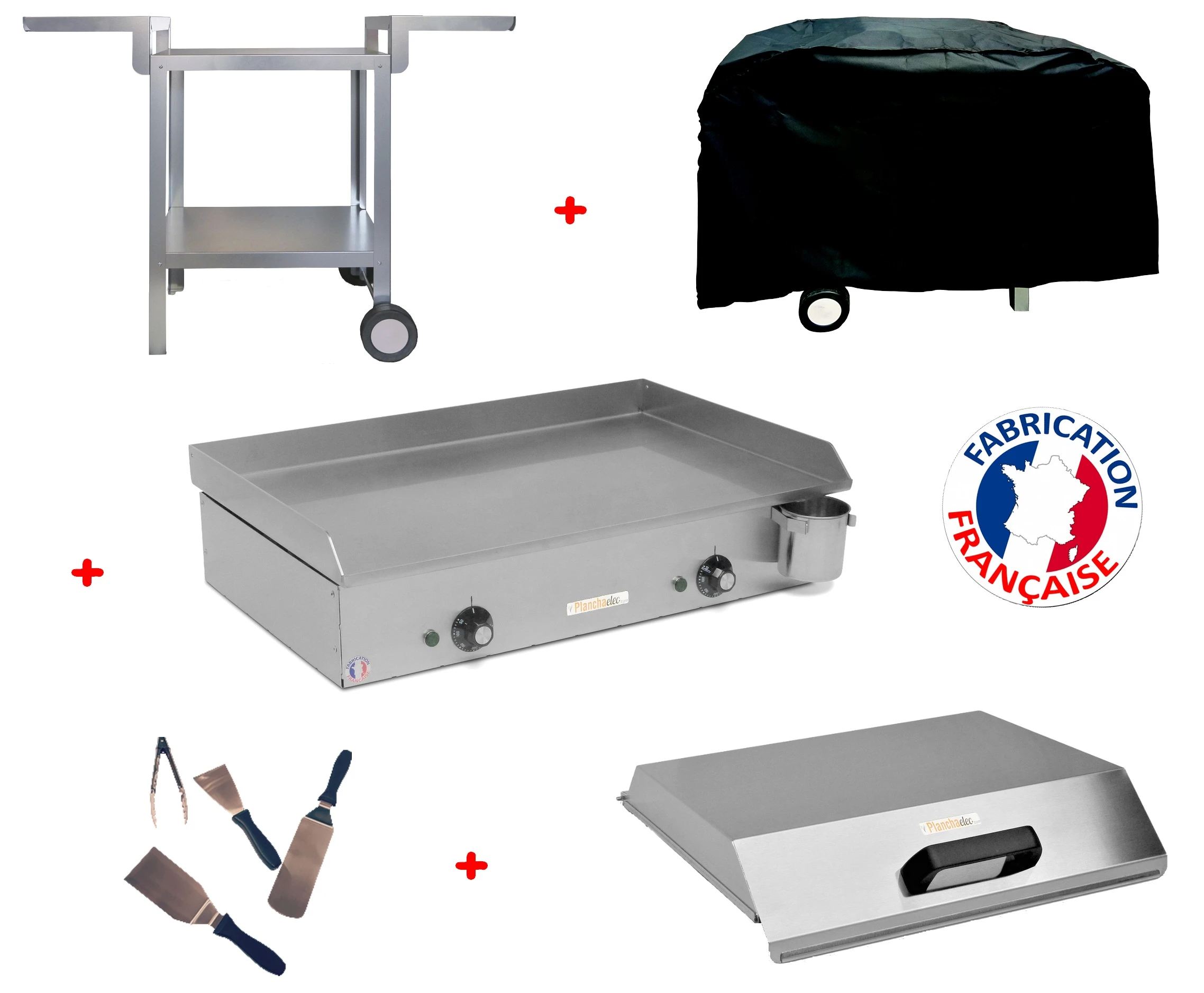
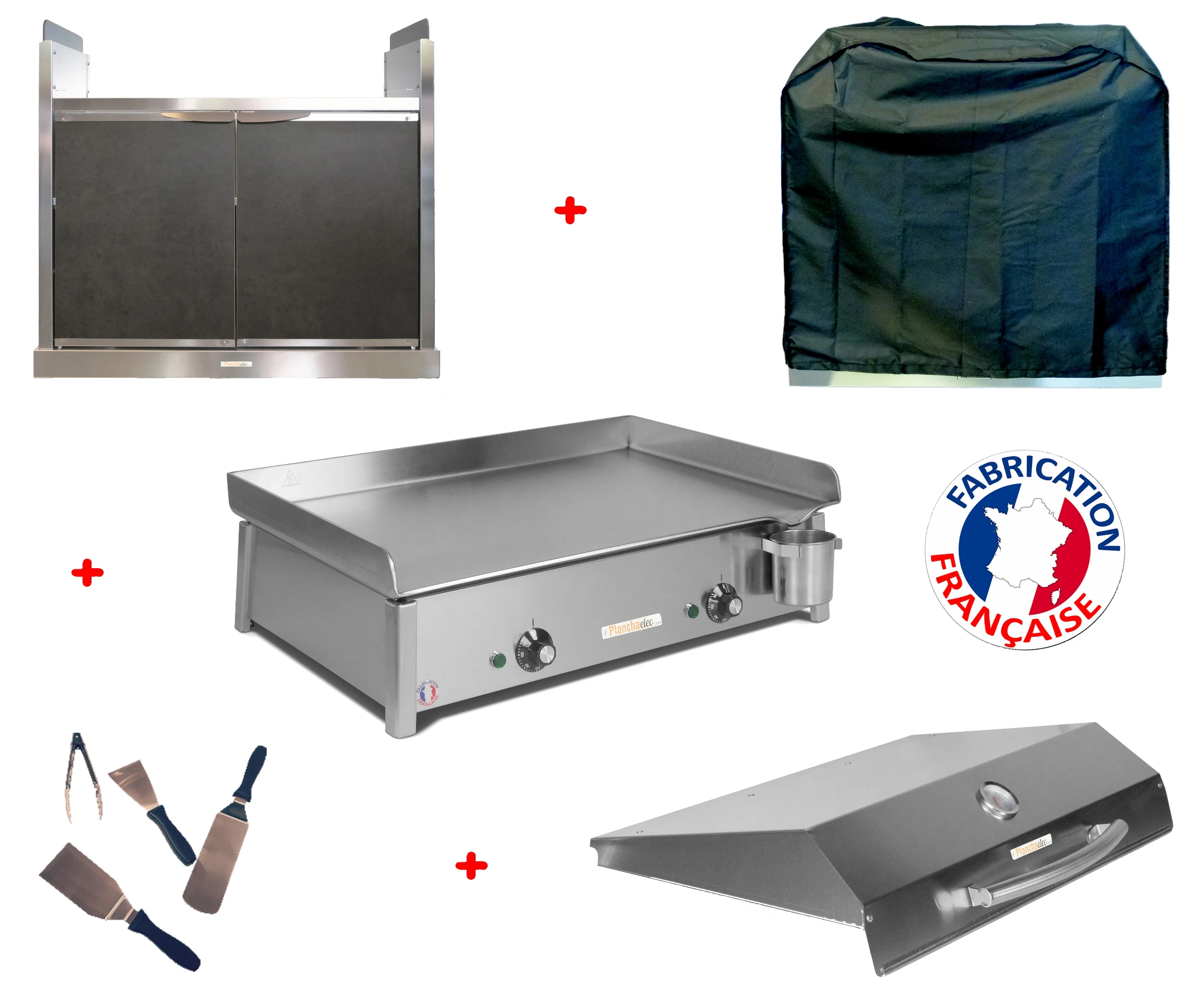
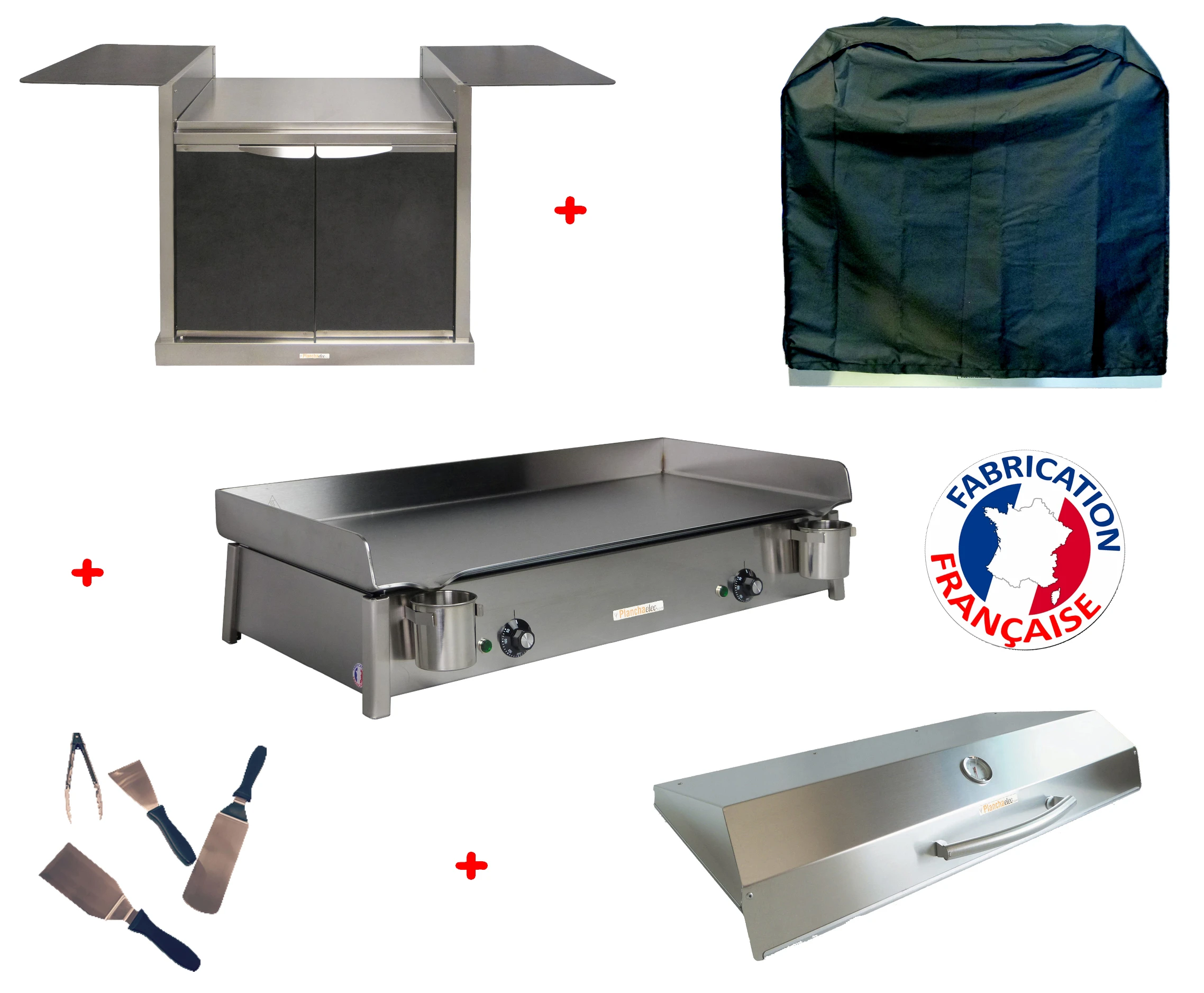
Put the appliance in a dry, ventilated room. If it stays outside, wait until it has cooled completely before fitting a correctly sized breathable cover. Our covers sized model by model fit each of our models.
Good to know
A plancha that is still hot must never be covered with a lid or cover. The trapped steam condenses on the plate and creates exactly the conditions for rust that you are trying to avoid.
Where to store a plancha in winter
Storing a plancha for winter outdoors or indoors
The question always comes up: can a plancha stay outside in winter? The answer is nuanced. Yes, provided it is perfectly clean, perfectly dry, protected by a suitable cover and ideally placed under shelter. But all manufacturers and specialist guides agree on one point: storage in a dry garage or a ventilated garden shed remains the best option.
| Storage solution | Advantages | Limitations |
|---|---|---|
| Dry garage | Maximum protection against rain, frost and wind | Takes up space, appliance has to be moved |
| Ventilated garden shed | Suitable for seasonal storage, a good compromise | Possible damp if the shed is poorly ventilated |
| Covered terrace | Easy access, no heavy lifting | Partial protection against condensation |
| Outdoors with a cover | Practical when indoor space is lacking | Requires a breathable cover and regular checks |
| Damp indoor room | Close at hand | Encourages corrosion and damages electrical components |
If you store your plancha outside in winter, get into the habit of lifting the cover once a month in dry weather to air it and check that there is no condensation under the fabric. An appliance mounted on a trolley, like our models paired with the trolleys available from Planchaelec, can be moved to the garage in seconds, which makes winter storage much easier.
Winter storage of a gas plancha: specific points
Checking gas hoses and connections
The gas part requires strict precautions. Always close the bottle valve before handling, disconnect the hose for long-term storage and examine it for cracks, cuts or abnormal hardening. The gas connection can be sealed with the cap supplied by the manufacturer to keep out dust and insects, a recommendation found in many gas plancha manuals.
Storing the propane bottle
The propane bottle, for its part, must not be stored indoors. Domestic gas safety guidelines, notably those published by Antargaz and by manufacturers who are members of FAVEX (the French outdoor and leisure equipment federation), require storage outdoors, upright, in a ventilated place, away from flames, heat sources and combustible materials. It must never be placed under the appliance or in a closed cellar or basement.
Winter storage of a stainless steel electric plancha
An electric plancha is simpler to store for winter, which is one of its practical advantages over gas. No bottle to deal with, no hose to check, no burner to unblock. Unplug the cord, remove the heating element unit if your model allows it and the manual permits, then store the electrical parts separately in a dry place. The stainless steel body, once cleaned and dried, copes very well with a season out of use.
Our Classic 400, Classic 600, Lux 600 and Lux 830 planchas are made entirely in France from stainless steel, a material chosen precisely for its long-term stability and resistance to corrosion. To compare the two technologies before possibly changing appliance, our electric or gas plancha comparison is available online.
The winter storage checklist
Before closing the garage door, go through the following points to make sure you have not forgotten anything.
- Plate cleared of all food residue and degreased
- Grease tray emptied, washed and dried
- Frame, shelves and trolley cleaned
- All surfaces perfectly dry, including corners and connections
- Anti-corrosion protection or food-grade oil applied in a thin layer
- Gas plancha disconnected, hose checked, connection capped
- Propane bottle stored upright outdoors, in a ventilated area
- Power cord unplugged and protected from damp
- Appliance placed in a dry room or under shelter
- Cover clean, dry, breathable and well fitted
- Manufacturer's manual checked for model-specific points
The mistakes that cause rust
Storing a plancha that is still damp
This is the first mistake. It turns the cover into a miniature greenhouse where moisture stays trapped against the plate.
Using a non-breathable cover or a waterproof tarpaulin
A completely waterproof, unventilated plastic tarpaulin traps water vapour instead of letting it escape, which speeds up corrosion.
Using abrasive products
Abrasive products or unsuitable steel wool create micro-scratches where oxidation can take hold permanently.
Forgetting the grease tray
This oversight causes smells and hardened deposits that are hard to remove once the cold season is over.
Neglecting the burners of a gas plancha
This exposes them to blockage by spider webs or insects, a classic problem mentioned in outdoor cooking appliance manuals.
Key point
A poorly chosen cover protects less well than no cover at all. Choose a breathable model sized for your plancha, and remove it periodically to air the appliance.
Getting it back into service in spring
When the good weather returns, do not switch your plancha back on without checking it. Remove the cover, inspect the plate and frame, remove any oil film with a clean cloth and then hot soapy water. Check the grease tray, the condition of the cord and plug for an electric model, and the integrity of the hose and connections for a gas model.
For the latter, the leak test is always done with soapy water, never with a flame. Then heat the plate up gradually while empty for a few minutes, and lightly season it before the first cooking session. This seasonal recommissioning takes ten minutes and spares you any unpleasant surprises at the first meal with friends.
Going further with your plancha's winter storage
Storing a plancha for winter requires neither sophisticated equipment nor special skills, just method and a little rigour when drying. Thorough cleaning, complete drying, a thin layer of protection on the plate, making the power supply safe and storage in a dry place cover most of the risk.
The rest comes down to the choice of appliance, and a stainless steel plate made in France ages better than an entry-level material. To discover our models and their protective accessories, browse our catalogue.
A plancha ready for next spring
By following this step-by-step winter storage routine for your plancha, you limit corrosion, protect the gas or electrical components and find an appliance ready to use in spring. Meticulous cleaning, complete drying, light protection of the plate and storage in a dry place remain the four habits to keep season after season.
FAQ
Should a plancha used all year round be stored for winter?
If you cook in winter, full winter storage is unnecessary, but cleaning after each use and drying immediately become even more important, because cold, damp air speeds up condensation on the plate.
Does a lid replace a cover for the winter?
No, they have different roles. The lid protects the cooking area during use and short-term storage, while the cover wraps the whole appliance and trolley against rain and dust over a long period.
What should you do if rust has already appeared in spring?
For a superficial spot, a suitable pad and a dedicated degreasing cleaner are usually enough, followed by rinsing, drying and light oiling. If the corrosion is deep or on an electrical component, contact the manufacturer's after-sales service.
Can a plancha be stored for winter on a balcony?
Yes, if the balcony is covered and the appliance is placed on a raised support, sheltered from splashes and run-off. A breathable cover remains essential and a monthly check is recommended.
Should a stainless steel plate be greased before winter?
It is not as critical as on steel or cast iron, but a very thin film of food-grade oil limits deposits and condensation marks during the months out of use.